Introduction
The ecommerce space of 2026 has been moving towards rapid technological advancements as well as being honed through innovative shaping of the digital landscape, and this transformation also inevitably leads towards higher customer expectations.
Why Ecommerce Trends Matter
- Competitive advantage: Having an edge across the industry helps the businesses stand out in the crowded markets
- Customer alignment: The trends are one of the most integral indicators of shifts in the markets which are influencing the buyers behaviours
- Revenue growth: Optimization of the experiences helps the business drive growth which has higher conversion rates as well as better retention power
Trend 1: AI-Powered Personalization
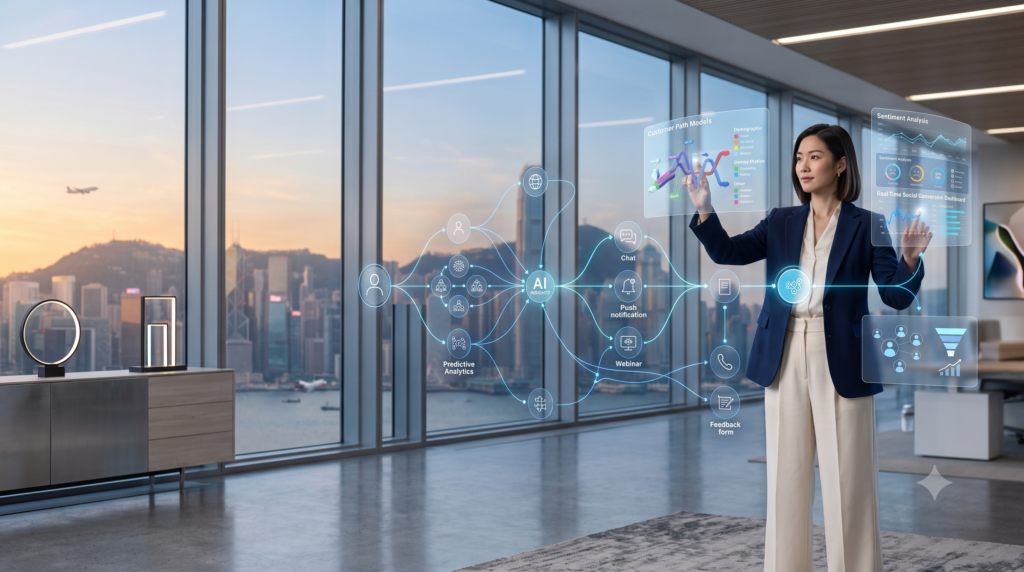
The biggest change which has been seen in the markets is the enablement of real time personalization which is based on behaviours, preferences as well as predictive insights.
The impacts it has created is increment of the engagements, conversion rates and even the overall customer lifetime value.
Trend 2: Voice Commerce Growth
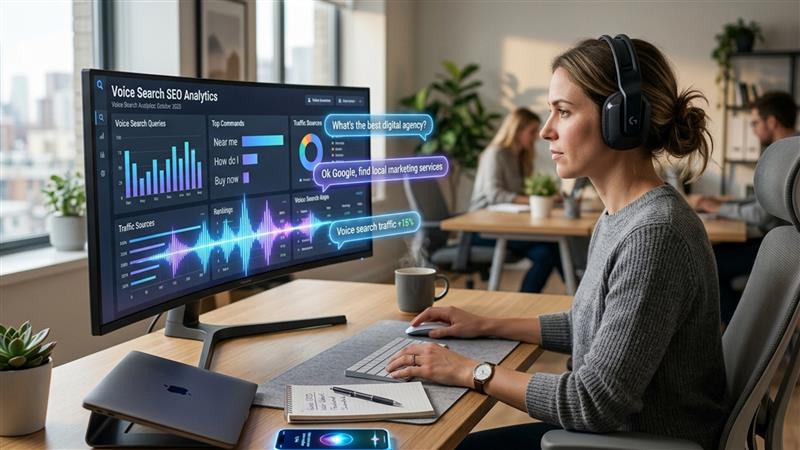
The consumers have rapidly started to use the voice search assistants for the search of products and even the purchases.
The impact which it has created is the requirement of optimization for the conversational queries and even faster more efficient responses which are driven by genuine intent.
Trend 3: Social Commerce Expansion
The social platforms are significantly becoming better and better at sales via features like in-app purchasing.
This has lead to the shortening of the buying journeys and has also leveraging the influencer driven content in order to build trust which feels personal.
Trend 4: Augmented Reality (AR) Shopping
The AR enables the customers to visualize all the products instead of having to physically trying them on before making the purchase.
Reduction in the rest urns as well as improvisation of the purchase confidence.
Trend 5: Faster & Flexible Payment Options
The changes are digital wallets, UPI’s, and even the buy now pay later (BNPL) options which are soon becoming just a mere norm.
The impacts are the reduction in the friction of checkouts and even increment of the conversion rates.
Trend 6: Sustainable & Ethical Ecommerce
The consumers are mindfully preferring the environmentally sound, reasonable and responsible brands.
This is resulting into a drive towards having loyalty for the brand and even strengthening the long term trust.
Trend 7: Hyper-Fast Delivery Expectations
The growth is reflected in the same day and next day rapid delivery options and quick and fast responses becoming a baseline for the expectations.
The impact it has created is the optimization of the logistics, and even the management of the inventory.
Trend 8: Headless & Composable Commerce
The architectures which re decoupled allows more flexible, scalable and efficient digital experiences.
This enables the business to foster quicker innovation as well as better customization od the journeys of the customers.
Trend 9: Data Privacy & First-Party Data
With the regulations becoming more and more stricter the businesses are taking the privacy concerns much more seriously and relying on the party first data.
Improvement of the trust while also enabling the strategies related to personalization requirements.
Trend 10: Omnichannel Shopping Experience
The customer expectations are exponentially increasing with demands like seamless transitions, and the offline channels have become norms.
This enhances the brand’s overall convenience, engagement and even consistency.
How Businesses Can Prepare for 2026
- Adapting the technologies which are the most scalable
- Having strategies focused on customer centricity
- Leveraging the overall data effectively
Common Mistakes to Avoid
- Ignoring the emergence of novel technologies
- User experience getting overlooked
- Lack in the process of integration
Conclusion
Therefore the future of ecommerce in 2026 stands extremely bright, defined by intelligence, speed and utmost seamlessness in the user experiences. Business which will be taking the right step at appropriate time will indeed be gaining most benefits out of this emerging ecosystem and this can be done by proactive embracing of the trends discussed above and even the investment in right kinds of technologies in order to achieve sustainable growth as well as competitive leadership.