In the current fast changing environment in marketing, the ability to utilize the data and connect with customers in various channels is inseparable in the success game. Salesforce as a leading company in providing Customer relationship management solutions provides two platforms, which are complementary but distinct, to assist marketers: Data Cloud and Marketing Cloud Engagement. By having a clear insight into the differences between these platforms and how to make the most out of them, personalized data-driven marketing strategies can be used to increase engagement, conversions, and brand loyalty in 2025.
Understanding Salesforce Data Cloud
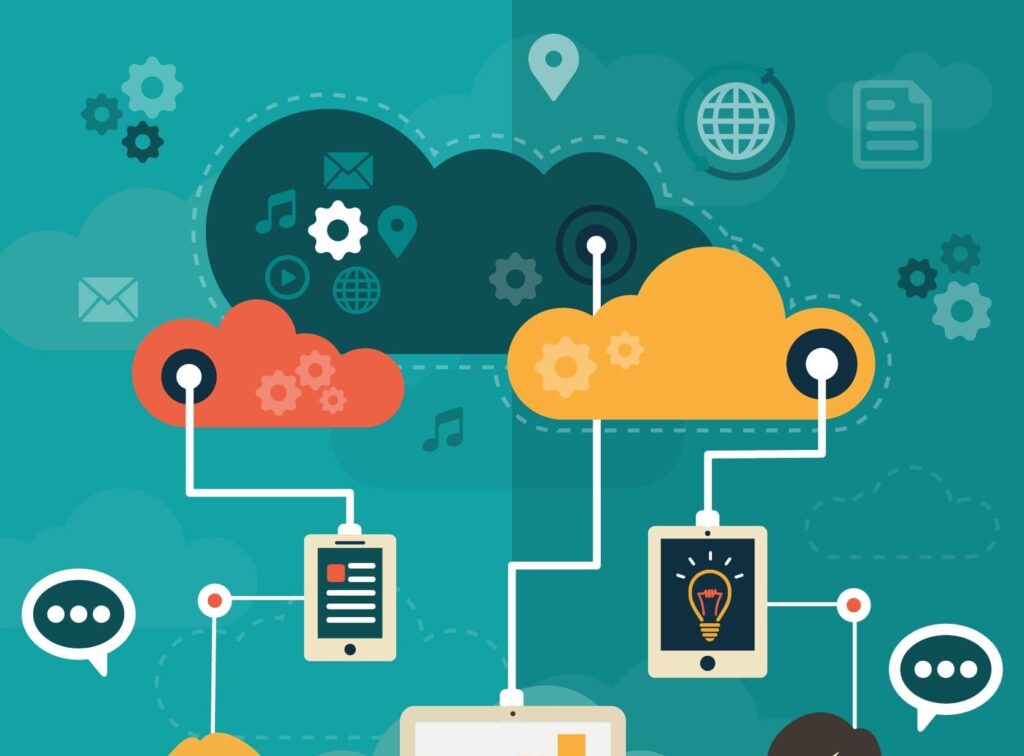
Salesforce Data Cloud is a central data point that collects data about customers presented by a vast number of interfaces, such as CRM and email programs, websites, applications, and social media, among other third-party data providers. This platform brings together different sets of data to build a holistic, real-time 360 customer profile. The marketers will gain a better understanding of the customer behaviours, preferences and interactions and this will enable them to make a more accurate segmentation and targeting.
Data Cloud has important capabilities, including identity resolution that accurately identifies customer identifiers across systems; real-time data ingestion that enables you to get insights in real-time; and sophisticated analytics, based on artificial intelligence, to anticipate customer needs and behavior. This single-minded, smart data platform enables the marketer to divide the audience into segments with valuable behavioural and demographic data, which allows the most personalised and efficient campaigns.
Exploring Marketing Cloud Engagemet
Salesforce Marketing Cloud Engagement, on the other hand, focuses on the service side of marketing that is, designing, executing and optimising campaigns that deliver messages to customers via a variety of channels including email, SMS, social media, advertising as well as personalised websites. It provides a set of solutions aimed directly at automating campaigns, organising customer journeys, personalising content, and analytics.
Marketing Cloud Engagement enables marketers to build compound, multi-touch customer journeys triggered by certain actions or buyer lifecycle events. Journey Builder is one of the features offered that allows an easy drag and drop interface to automate communications and nurture leads with relevant messaging. Also, the analytics feature of Marketing Cloud provides real-time reporting on the level of engagement and conversion, which allows marketers to refine their strategies in real time.
Key Differences Between Data Cloud and Marketing Cloud Engagement
Although the two platforms are inseparable to the current marketing success, they have different purposes:
How Marketers Can Leverage Both Platforms Together
The majority of organisations find that the integration of the Data Cloud and Marketing Cloud Engagement is the most effective. Incorporating the enriched and segmented customer data of Data Cloud into Marketing Cloud Engagement, marketers will be capable of conducting campaigns that have been not only targeted accurately but also dynamically personalised on a massive scale.
As an example, a marketer may choose to use Data Cloud to create a subset of customers with a high purchase intent due to recent behaviour and predictive scoring.Such segments can then be brought into the Marketing Cloud Engagement where an individualised email campaign, an SMS offer, or a social media retargeting according to individual preferences and engagement history can be launched.This kind of integration will increase the efficiency because marketing efforts will be centred on high-value consumers and optimise conversations to create increased engagement and conversions. It is also helpful in achieving closer sales and marketing coordination via common data and campaign orchestration.
Trends Influencing Data Cloud and Marketing Cloud Engagement in 2025
In the future, there are a few important trends that will influence the way marketers will use these Salesforce platforms:
- Real-Time Personalisation: Consumers expect real-time, personalised communications. To successfully serve these expectations, platforms have to work on real-time data, which has to be processed and acted upon.
- Data Privacy and Governance: As privacy policies are changing worldwide, services are becoming more and more equipped with features of consent management, data security and data compliance that empower responsible marketing.
- Omnichannel Marketing: Co-ordinating the same message on email, social, mobile, web, advertising and offline is one of the priorities of providing holistic customer experiences.
- AI and Predictive Analytics: More sophisticated machine-learning will predict customer needs more effectively, optimise segments and automatically personalise content.
- Embracing Emerging Technologies: It is now possible to integrate the data of IoT devices, voice assistants, and augmented reality to provide opportunities to engage in something unique.
Challenges Marketers Should Consider
In spite of the strong nature of these platforms, marketers have to deal with a number of issues to achieve maximum success:
- Data Quality: The segmentation and personalization cannot be achieved without the accurate, clean, and current data.
- Managing Complexity of Integrations: The ability to integrate a wide array of systems and data-sources can be a complicated undertaking.
- Successful application of AI, automation, and data analytics as of 2021 would require perpetual upskilling of staff.
- Maintaining Compliance: The issue of privacy and privacy regulations are to be provided by strong governance policies and clear consent procedures.
Conclusion
These are Salesforce Data Cloud and Marketing Cloud Engagement which are essential elements of the technology stack of the modern marketer. Data Cloud forms the basis and offers consolidated data of the customers and vast segmentation, whereas Marketing Cloud Engagement offers the means to plan, mechanise, and refine multi-channel campaigns. Combined, they enable marketers to deliver royal, relevant and timely experiences, which meet customer expectations and result in calculated business gains.
With marketing becoming more and more complex and extensive in 2025, achieving the domain of mastering these sites and incorporating their advantages will become part of any business that is willing to stay relevant and customer-focused in a more data-driven environment.