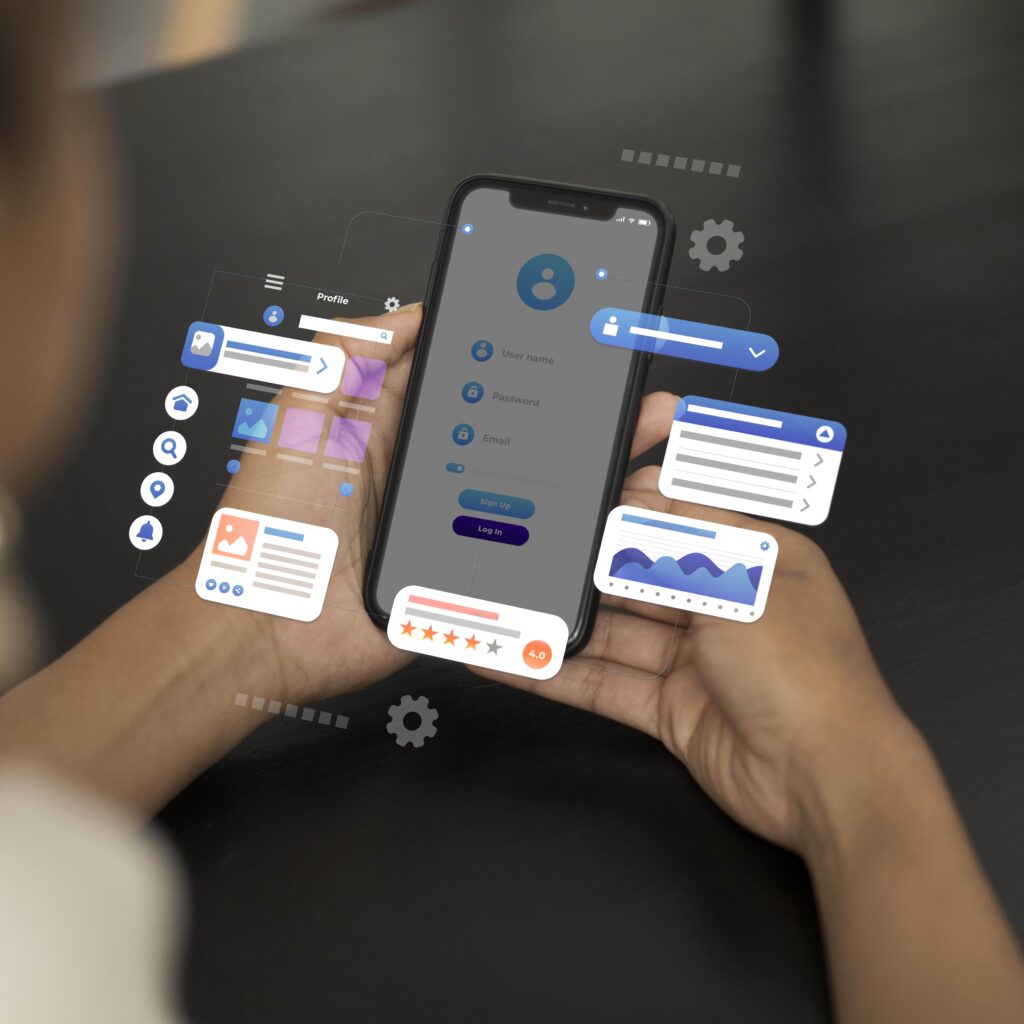
Revolutionizing Mobile Web Design: The Power Of Artificial Intelligence

The mobile web has become a significant channel for businesses to reach their target audiences. However, with the pace of the online world today, having a responsive design is no longer enough. Artificial Intelligence (AI) is revolutionizing mobile web user experiences through smarter, more customized, and intuitive interfaces. This blog will explore how AI is transforming mobile web functionality, with solutions like those from MetroMax Solutions at the forefront. How AI Is Revolutionizing Mobile Web Designing AI is transforming the way websites work on mobile phones, making it effortless and efficient. Dynamic Layouts: AI adjusts web layouts in real-time based on device kind and user behavior. Faster Load Times: By optimizing data processing and predicting user actions, AI lowers page load times. Predictive Content: Websites can offer relevant recommendations even before a user looks for them. Why Personalization Is Essential For Mobile Web Success? Personalization is no longer a choice; it’s a need. AI leverages machine learning to analyze consumer behavior and create personalized experiences. Custom Recommendations: AI offers product suggestions and content in sync with user preferences. Localized Experience: Personalized offers and language modified according to the geolocation. Adaptive Interfaces: Interfaces change dynamically according to the features that consumers utilize the most. How AI Elevates Voice Search Optimization? Voice search is rapidly gaining fame. Consumers love this hands-free, natural usage. AI ensures that websites are mobile-friendly, catering to the famous voice search: NLP: AI interprets conversational queries precisely for better results. Contextual Comprehension: Voice search algorithms take consumer Intent and context into account for relevant answers. Enhanced Discoverability: AI assists businesses rank higher for voice-based queries, driving organic traffic. MetroMax Solutions: Empowering AI-Driven Mobile Excellence MetroMax Solutions specializes in applying AI features to offer best-in-class mobile web solutions for captivating consumer experience and the drive for results. From intuitive design to advanced analytics, our solutions serve businesses with the desire for excellence. The services are: AI-powered UX Design: Create interfaces that adapt in real-time to the user’s needs. Predictive Analytics Integration: Obtaining insights into user behavior for smarter decision-making. Mobile Optimization: Developing rapid, secure, and user-friendly mobile platforms. Witness how MetroMax Solutions can evolve your mobile web presence. Contact us today! AI-Powered Chatbots: The Next Big Thing In Mobile Interfaces AI-powered chatbots are elevating the consumer experience on cell websites: 24/7 Availability: Offering support at all times, everywhere. Guided Navigation: Chatbots assist their users to get information fast. Improved Conversions: The real-time answering of questions by chatbots lowers the drop-off rates and enhances sales. Top AI Features That Improve Mobile Web Excellence AI Tools are equipped with cutting-edge features that elevate mobile user experiences significantly in different manners: Real-time insights: Analyzing user behavior assists refine strategies. A/B Testing Automation: Easily identifies which designs or layouts perform the best. Predictive Analytics: Predicting requirements of users and trends for potential future improvements. Transform your mobile presence through MetroMax Solutions. Contact us for a consultation now! Final Comments AI revolutionizes mobile web design and functionality, enabling unmatched customization and performance. Through such solutions as those available from MetroMax Solutions, businesses can unlock the complete potential of AI to design mobile experiences that engage, convert, and delight users.
Native Vs Hybrid Mobile App Development (Which Is Best For Your Project)
When managing a mobile app development project, choosing between native and hybrid development can significantly impact your project’s success. The right choice depends on your project’s specific requirements, including budget, timeline, desired user experience, and performance needs. Here’s a breakdown to help you decide which approach is more suitable. Development Languages Native Apps: Built using platform-specific languages (Java/Kotlin for Android, Swift/Objective-C for iOS), native apps cater specifically to each operating system, resulting in optimized performance and reliability. Hybrid Apps: Developed with HTML, CSS, and JavaScript, hybrid apps run in a native container, making them easier and faster to build. However, they may not feel as responsive as native apps due to their cross-platform nature. Takeaway: For apps requiring heavy interaction with device features or high responsiveness, native development may be preferable. If the app needs a quick launch and is less complex, hybrid might work well. Performance Native Apps: Offering superior performance and responsiveness, native apps handle complex tasks efficiently. They are ideal for applications with animations, heavy graphics, or data processing needs. Hybrid Apps: While hybrid apps provide moderate performance, they may lag in speed and responsiveness compared to native apps, especially in resource-intensive features. Takeaway: Native apps are best for performance-critical applications, such as gaming or data-heavy apps. Hybrid is suitable for simpler applications where minor performance differences are acceptable. User Experience (UX) Native Apps: Native development allows apps to align perfectly with platform guidelines, delivering a rich, intuitive, and seamless user experience tailored to each OS. Hybrid Apps: While hybrid apps can mimic native designs, they often cannot fully replicate the intricate UX that native apps provide, potentially leading to a less polished feel. Takeaway: If UX is a top priority—such as in customer-focused apps—native development will generally provide a smoother, more familiar experience. Development Cost Native Apps: Developing separate codebases for each platform (iOS and Android) typically requires more time, resources, and a larger budget. Hybrid Apps: Hybrid development allows a single codebase to work across platforms, reducing overall development costs. Takeaway: Hybrid development is budget-friendly and practical for apps that need to run on multiple platforms but don’t demand platform-specific intricacies. Time to Market Native Apps: Building and launching native apps take longer due to separate development processes for each platform. Hybrid Apps: Hybrid apps have a faster time to market since a single codebase can be deployed across platforms with minimal modification. Takeaway: If a quick launch is critical, hybrid apps provide a faster route. This approach is beneficial for testing a Minimum Viable Product (MVP) to gauge user interest. Access to Device Features Native Apps: They have full access to device hardware and OS-specific APIs, making them more versatile for integrating advanced features like camera, GPS, and sensors. Hybrid Apps: Although hybrid apps can access certain device features, they may require plugins, which might limit functionality and lead to compatibility issues. Takeaway: Native development is better suited for applications that rely heavily on device features, such as navigation or augmented reality apps. Security Considerations Native Apps: By utilizing platform-specific security features, native apps offer robust security, making them ideal for apps handling sensitive data. Hybrid Apps: Relying on web technologies, hybrid apps may have moderate security. They can still be secure, but the security measures are generally less sophisticated. Takeaway: For applications in sectors like finance or healthcare, where security is paramount, native apps are typically the safer choice. Maintenance Requirements Native Apps: Maintenance can be more complex due to separate codebases, requiring updates for each platform. Hybrid Apps: With a single codebase, hybrid apps are generally easier to maintain, reducing the need for extensive updates and patches. Takeaway: Hybrid apps are ideal for projects with limited resources for maintenance. Native apps may require more investment post-launch but offer greater stability and performance in the long term. Making the Right Choice… Go Native if: Performance, user experience, security, and access to device-specific features are critical for your app. Opt for Hybrid if: You need a faster time to market, a more affordable development process, and the app’s requirements are simpler. By aligning your app’s goals with these considerations, you’ll be well-prepared to choose the right development path.
7 Benefits Of Cross-Platform Mobile App Development For Start-Ups

Did you know? According to Statista, global mobile app downloads sky-rocketed to 257 billion in 2023, with projected revenues expected to soar past $613 billion by 2025. This clearly signals a shift in consumer behavior, where users are seeking richer, more engaging in-app experiences. With such a dynamic market ahead, every app startup must prioritize customer experience. As Steve Jobs famously put it, “You have got to start with the customer experience and work towards the technology, not the other way around.” This quote signifies the importance of cross-platform mobile app development today. Why? Because cross-platform tools allow developers to focus on delivering a seamless user experience across multiple devices, putting the customer first and technology second. So, now that you’re starting to see the big picture on why cross-platform development is key, let’s dive into the tangible benefits it brings to startups like yours. Benefits of Cross-Platform Mobile App Development for Startups Cost Effective Cross-platform development reduces costs by allowing you to use a single codebase across different platforms, cutting down on redundant work and expensive resources. Accelerated Market Entry Launching on both iOS and Android at the same time helps you enter the market quickly, giving you an edge over competitors stuck in longer development cycles. Wider Reach A single app that works on multiple platforms means a broader audience, enhancing your chances to capture a diverse user base early on. Consistent User Experience Cross-platform tools help create a cohesive design that maintains brand integrity and usability across devices, delivering a seamless experience for all users. Hassle-free Maintenance With a shared codebase, updates and bug fixes are simpler and faster, helping you keep up with user expectations and app improvements. Uniform Code A reusable code structure enables you to save resources on future projects or updates, helping you expand your app’s functionality without starting from scratch. Quick Iterations and Feature Rollouts You can experiment with new features or implement user feedback quickly, staying agile and adapting to market changes as they happen. Conclusion Cross-platform development not only enhances the customer experience but also boosts efficiency, making it a smart choice for startups that want to stay competitive. In a rapidly growing app market, aligning with customer needs through cross-platform tools could be just the launchpad you need.