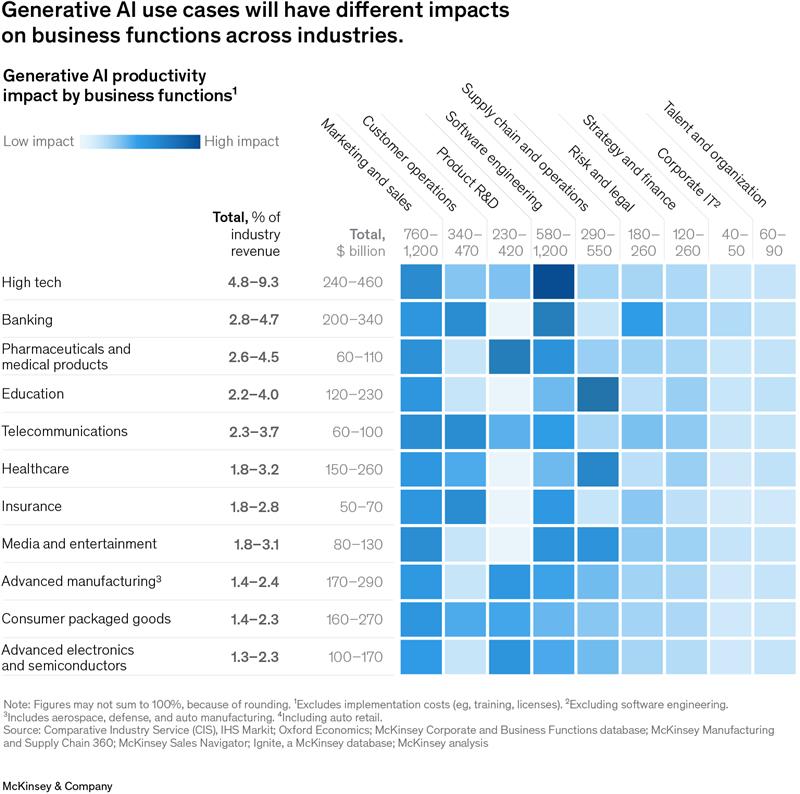
Slack AI Agent by Salesforce: Transforming Workplace Productivity with Intelligent Automation

Introduction The modern day workforce has seen to been evolving rapidly and with that transformation accompanies more expectations involving intelligent ecosystems driven by automation. What is Slack AI Agent? The slack AI agent is essentially an assistant which is built within the slack which is used leveraging the AI in order to maintain automated workflows, makes sure the insights are delivered and also streamlines the collaboration across various team. Key Features of Slack AI Agent Conversational Intelligence Workflow Automation Real time Data insights Seamless Integrations How Slack AI Agent Works Use Cases Across Teams Sales Team The integration will help in providing the update access across the pipeline and even with provide customer data instantaneously Customer Support Resolves the queries way faster than manual interference with the optimization of AI assisted responses as well as routes the cases efficiently to the correct agents Marketing Team Helps in tracking the campaigns as well as performance in real-time and also automates the reporting and the audience insights. HR and Operations Streamlines the onboardings, approvals, and even the internal aspects of the workflows while also showing substantial increment in the cross functional coordination Benefits of Slack AI Agent The major benefits which the Slack AI agent do provide is the enhancement of the productivity, the decision making is seen to get much more faster and efficient, overall collaboration of the business has improved, and there is even the most essential eliminations of the redundancies resulting into much better efficiency in terms of operations. Slack AI Agent vs Traditional Workflows Slack AI Agent The slack AI agents as opposed to the traditional workflows seems to be much less time consuming and efficient. This is achieved majorly through the process of automation, unification as well as proactive and predictive insights capabilities. Traditional Workflows Traditional workflows are comparatively much less efficiency as they still rely on manual workforce, has the data fragmented all over leading towards no clear direction, as well as system still going with the reactive approach even in the modern day era where consumer expectation have risen exponentially. Challenges & Considerations The Future of AI Agents in Work The future having AI agents providing a strong core to the corporate workforce seem to be incredible. There will be increased autonomy majorly in the execution of the tasks, the intelligence is going to be much more nuanced, predictive and continual in nature, and even the expansion of the collaborations which are driven by AI will be sky rocketing. Why Businesses Should Adopt Slack AI Agent Now Conclusion The slack AI agents represents an absolute essential and significant leap towards the intelligent, effective and nuanced transformation of the workplace. This is done majorly by the virtue of integrating the automation, having the insights delivery done in real-time, the collaborations becoming more seamless as well as the businesses seen to be unlocking the utmost benefits by incentivizing and leading towards higher productivity as well as efficiency in terms of operations.
What is Tableau? A Complete Guide to Data Visualization & Analytics

Introduction In today’s modern day world, everything has been shifting towards a data driven landscape, and the businesses are generating a whole lot of data and information on a daily basis. The transformation of this data which is being generated into an actionable form of insights demands extremely powerful tools of visualization, making tableau is exactly what makes this possible being leading solution to the modern analytics. What is Tableau? Tableau is basically a data visualization and business intelligence ( BI ) platform which helps sin the enablement of the users in the process of analysing, visualising as well as sharing the data through the approach of interactive dashboards. Why Tableau is Important in Today’s Data-Driven World The usage of tableau becomes essential and can uplift the business in multiple areas by making the decision making a whole lot faster by the conversion of the data which is raw into a real time format of insights, improvement in the accessibility of the data by enabling the non-technical users to also explore the data, and lastly enhancement of the business intelligence by supporting the strategic planning as well as forecasting. Key Features of Tableau Interactive Dashboards By making the dashboards interactive in nature tableau enables the users for the creation of dynamic and personalised dashboards with also has filters and even drill down capabilities. Data connectivity Helps in connecting the data sources across various touchpoints, including the databases, cloud platforms and even the spreadsheets. Drag and Drop Interface The drag and drop interface helps with the simplification of the visualization creation without having to have extensive knowledge of coding. Real time data analytics Helps in providing the insights which are up to date via the use of love data connection. Advanced analytics Advanced analytics accelerates the forecasting, analysis of the trends and even statistical modelling. How Tableau Works Data Collection Integrates the data from across the touchpoints including internal and external sources. Data Preparation Data preparations helps clean, transform and even structure the data for the purpose of analysis. Visualization creation Visualization builds the charts, graphs and even maps in order to represent the data visually. Dashboard Building This helps with combining various discrete interactions into dashboards which are interactive. Sharing and Collaboration Enablement of the user to share insights across the teams securely. Types of Tableau Products Tableau Desktop Used for the creation of visualization and the dashboards. Tableau Server Allows the organizations for hosting and sharing the dashboards internally. Tableau Online Platforms which are cloud based for the collaboration and the sharing of data. Tableau Public This is the free version of creating as well as publishing the public visualizations. Tableau Prep These are tools for he cleaning and the preparation of the data. Benefits of Using Tableau Tableau Use Cases Tableau vs Other BI Tools Ease of use Making the usage much more intuitively driven as compared to the conventional BI platforms Visualization Capabilities Offers the dashboards which are highly interactive as well as visually rich. Integration Accelerates the extensive connectivity of the data sources. Who Should Use Tableau? Common Challenges with Tableau Future of Tableau & Data Visualization The future of tableau and the data visualization involves the increment in the integration of with the AI as well as predictive analysis, greater emphasis on the real time and self-service analytics, expansion of the cloud based ecosystems. Conclusion The tableau truly empowers the organizations and promotes the transformation of the raw data into insights which are meaningful through the virtue of intuitive visualization. Tableau enables quicker, smarter and even more efficient decision making.
The Agentforce Playbook for Indian SMBs Transforming Sales, Marketing, Service & IT

Introduction: The Rise of AI-Powered SMBs in India The Indian SMB’s particularly have seen to be going via a profound period of transformation and has been known as the digital renaissance. This is an area which is rapidly growing at scale by the virtue of escalation in the expectations of the customers, as well as increasingly high competitive pint in the marketplace. What Is Agentforce? To be precise, Agentforce is a platform which is powerd by extremely nuanced, advanced, and transformative AI orchestration layers, present within the ecosystem provided by the Salesforce, and it acts as a catalyst in the organization upgradation, in oreder to deploy exteremely intelligent, smart, and efficiently autonomous agents, that to spread throughout the business functions. Why Indian SMBs Need Agentforce Now Challenges Faced by SMBs Benefits of Adopting Agentforce Agentforce for Sales: Smarter Selling, Faster Conversions Agentforce for Marketing: Data-Driven Campaigns Agentforce for Customer Service: Enhanced Support Experience Agentforce for IT and Operations: Streamlined Workflows How Agentforce Aligns Sales, Marketing, Service and IT The way in which agentforce truly helps in the alignment of marketing, sales, customer service as well as IT is through the unification of data making the establishment of one single source of the truth across the discrete departments, making the collaboration more cohesive in nature which means there will be lesser silos and more cross functional synergy, and lastly, it promotes consistency in the experience of the brand ensuring utmost uniformity throughout. Implementation Strategy for Indian SMB’s Step by step Approach for the Strategic Implementation Common Challenges and How to Overcome Them A few challenges which are most likely to be faced are, resistance offered in the process of change due to the lack of professional training, complexities in terms of integration as the overall process is not always promptly leveraged by the expert consultants, as well as constraints of the budget making it hard to adopt a phased and focus on the more ROI driven model. Role of Salesforce Staffing and Consulting Services Future of AI plus CRM for SMBs in India The future of AI as well as CRM in India for SMB’s involves hyper personalization at scale, the facility of extremely advanced predictive capabilities, ecosystem shifting towards the automation first approach as well as digital infrastructures becoming more and more integrated. Conclusion Agentforce thus marks the symbolism of the paradigm shift in the space of SMB’s specifically in India, making them enabled to surpass the operational liminalities and rather embrace the prospective driven intelligence as well as data driven growth.
Personalization Strategies Retail Brands Can Implement Using Salesforce

Introduction: Why Personalization Matters in Modern Retail Personalization has been increasing considered as the cornerstone of the modern retail space, vividly honing the connection of brands with its customers. Thus in such a crowed digitally equipped marketplace, experiences personally trained for the needs of the customers truly makes a difference helping the business stand out, developing strong loyalty to the brand and even drive meaningful engagements. Understanding Customer Expectations in 2026 In the year 2026, the expectations of the customer have seen to be evolved entirely, with the active anticipation of personalization, instant nature of the experiences and even utmost efficiency. They are seen to value, convenience, consistency, and even authenticity expecting that every interaction they are to have rightly reflects their true, preferences, behaviours and even history of the past purchases. Key Salesforce Tools for Retail Personalization Salesforce Data Cloud The major potential of the Salesforce AI data cloud is its ability to unify of all the customer data effectively into to single view. Salesforce Marketing Cloud Furthermore the marketing cloud enables the campaigns rightly targeted across the spectrum of emails, SMS and even social media. Salesforce Commerce Cloud The commerce cloud focus on the enhancement of the journey of shopping. Delivers the dynamic range of the pricings, various product displays, and even unique recommendation based on specific behaviours. Salesforce Einstein AI Lastly the Einstein AI aids the delivery of the insights which are rightly predictive as well as incredible automation services. Top Personalization Strategies Retail Brands Can Implement Unified Customer Profiles The unification of the customer profiles in order to provide more holistic view as well as insights. Precisely by creating a 360 degree customer profile for each and every customer, by the virtue of integrating the data form across platforms. AI Powered Product Recommendation Recommendation driven via AI to rapidly boast the relevance. Largely by recommending the products based majorly on the history of browsing, preferences, and even purchases made in the past. Personalized Email Marketing Campaigns Emails more personalized to increase the engagement, and even omnichannel strategies in order to ensure there is utmost effectiveness and consistency. The delivery of tailored texts, offerings, and the suggestion of products leading to increment in the engagement. Omnichannel Personalization Provides the insurance of consistency across the array of platforms such as mobile applications, websites and even the physical retail stores. Real Time Personalization Adapting to the provided information almost instantly and also producing real time insights based on the behavioural patterns noted of the customers as well as their live interactions. Customer Journey Mapping Tracking as well as the optimization of every single stage of the journey customers have experienced in order to lead betterment in terms of engagement. Loyalty and Rewards Personalization The customized rewards are highly incentive to provided much more effective results by leveraging the customer data, behaviours as well as preferences. Benefits of Personalization Using Salesforce Higher Conversion Rates The conversion rates are seen to be much more higher by the virtue of increment in the relevancy as well as the potential forecasting of the purchase. Improved Loyalty of the Customers Personalization inevitably leads towards the customers having more belief in the brand’s vision and have a stronger emotional connect as well. Enhanced Customer Insights The insights which are driven by in depth data truly adds up to the brand’s decision making abilities, making it more quick, precise along with effective. Increased Customer Lifetime Value The engagement of the customers results in significantly higher rate of retention, thus increasing the overall lifetime value. Therefore, integration of personalization evidently improves the customer satisfaction as well as strengthen the loyalty and integrity towards the brand altogether. Challenges and How to Overcome Them The few challenges which are likely to be faced are the silos in the data, concerns related to privacy, and even issues raised from integration. Data Silos The data which gets disconnected across the system could be fixed via using the salesforce data cloud to have it undergo the process of unification solve the issue. Privacy Concerns There have been an exponentially growing concern when it comes to the usage of data by the AI platforms, and this could potentially be fixed by assuring transparency as well as sincere compliance with the regulations. Integration Complexity There has been the difficulty when it come to integration of multiple tools, hence the adaptation of platforms which are easily scalable as well as compatible like the Salesforce is extremely beneficial. High Implementation Costs The initially capital which is to be invested is extremely high, yet the better business decision would require focusing on the long term goal and ROI as well as phased implementation. Real-World Use Cases The brands which uses Salesforce to deliver its recommendations, personalization of the offer as well as optimization of the journeys across numerous touchpoints, experiences significant increment in terms of engagement, growth in the revenue as well as sales. Best Practices for Implementing Personalization The focus on quality of the data, originality, authenticity, transparency and even continuous optimization in order to refine the strategies with utmost effectiveness. Here is the precise outcomes: Future Trends in Retail Personalization AI will be enabling hyper focused personalization, insights driven in real time and even supper immersive experiences, entirely transforming how the customers interact with brands. Conclusion Personalization of the business by the usage of Salesforce services can be extremely beneficial and truly transformative. In this journey filled with hope and optimism, it becomes extremely crucial to pair with a company like The MetroMax Solutions, to unleash the fullest potential of the business by incentivizing Salesforce AI.
Reactivating Dormant Customers with Salesforce Journey Builder: Multi‑Channel Win‑Back Strategies

Dormant customers constitute a huge revenue loss to the retailers, but they also have the highest reactivation potential owing to their already established and familiarity of the brand. Journey Builder , this opportunity is turned into automated, multi-channel win-back campaigns which re-engages lapsed shoppers by personalizing messages. Functional journeys or purposeful exploration of the non-potential market by dividing the causes of inactivity and value can restore 1020 percent of inactive revenue in the retail industry. Why dormant customers matter It is generally less cost-effective to secure new customers than it is to retain current ones, and reactivation approaches often better warrant their ROI 2-5 fold as compared to acquisitions. Sleeping customers (S in RFM) already have brand familiarity and confidence in the product, requiring less convincing than cold prospects for customer reactivation campaigns using Journey Builder win back strategies to reactivate dormant customers and win back inactive customers via dormant customer strategy.Those retailers that do not pay attention to them miss out on the easy money and competitors take them with competitive offers. Win- back campaigns recapture the customer at 20-30 per cent the cost of new acquiring. Define “dormant” for your brand Dormancy is defined differently by various categories: fashion-based companies may view 90 days of inactivity as dormant, grocery stores may employ 60 days. Use RFM (recency, frequency, money) in determining the right thresholds. Disect by the period of inactive time: short-term (30-90days, easy to be reactivated), mid-term (90-180 days, need stronger motivation), and long-term (180 and more, not likely to be reactivated). Make alterations on the definitions to align with the average purchase cycle of and the industry standards of the brand. Segment inactive customers by value and reason for churn The high-value dormant customers should be given priority. RFM scoring would recognize champions (recent/high-value) and would be suitable to be re-engaged as VIP, whereas the low-value browsers could be approached in a less aggressive way. Examine the causes of churn: cart abandonment (where friction has to be removed), price sensitivity (exclusive offers have to be made), switching to competitors (loyalty benefits need to be offered), and life events (family-friendly deals). Sub-divide further by the channel of last visit mobile dormants are more responsive to push notifications; email subscribers to automated series. Design a multi step win back journey Journey Builder organises 3-5 touchpoints within 30-60 days. The entry points are inactivity trigger, cart abandonment and the changes in the status of loyalty. Split decision divides customers based on segments: high-value customers have individualized video, price-sensitive customers have offers of percentage-off. Waiting messages separate (Day 1: gentle, Day 7: offer, Day 21: final) are utilized. The factors are exit criteria to avoid over-contacting the converted. Choose the right mix of content and offers Content provides an emotional appeal; provides action. Start with a value reminder (remind about these favourites you have bought before). Scale up to rewards: 10 percent on the first purchase of short term dormant, 25 percent with free shipping on high value client. Better things to personalise according to previous behaviour- apparel customers get style quizzes, beauty customers get samples. Urgency of tests (24 hours to go) versus exclusivity (VIP-access). Develop segmentation A/B tests of creative. Orchestrate email, SMS, push, and ads Multi-channel sequences boost the rate of response by 40 percent. Email deploys storytelling on Day 1 and Day 14; SMS activates urgency on Day 3 (“Your 20 percent off expires to-night); push notifications occur when a user browses the site ( Complete your cart?); ad retargeting the user after visiting a site. Journey Builder is a channel aligned tool over unified customer profiles to ensure that messages are always similar. Mobile heavy dormants are sent to 70 per cent push notifications, desktop users to email. Set timing, frequency, and exit rule Cadence The best cadence between persistence and irritation. Short-term dormants are provided with 5 touches in 30 days; high-value customers are provided with 3 premium touches in 60 days. Wait activities consider the purchase cycles and time zones. Exit rules inhibit messaging of converters, complainers or re-activators. Spam is blocked by frequency limitations (maximum 2 messages a week). Time of testing – weekends translate 25 per cent more as to lifestyle brands. Track win back KPIs and iterate Rate of reactivation (dormants converting), revenue per reactivated customer, ROI/acquisition cost, and lifetime value lift. Winners in performance are highlighted by segment performance, high value SMS journeys can potentially result in 3 times ROI. A/B test provides, channels and communications quarterly. Unless it is successful, stifle effective sections of future campaigns. An average win-back rental using Journey Builder gets the dormant base back at 15 per cent a year. Conclusion Journey Builder is transforming lost revenue into dormant customers that will be reactivated with high margins. The use of exact segmentation, multi-step journeys and orchestration on the omnichannel creates personalized refactoring in bulk. Out of win-backs, retailers achieve 10-20% of dormant spend as well as strengthen loyalty, which confirms that win-backs are effective versus acquisition economics.
Advanced Retail Segmentation: Data‑Driven Strategies for Personalised Marketing and Higher ROI
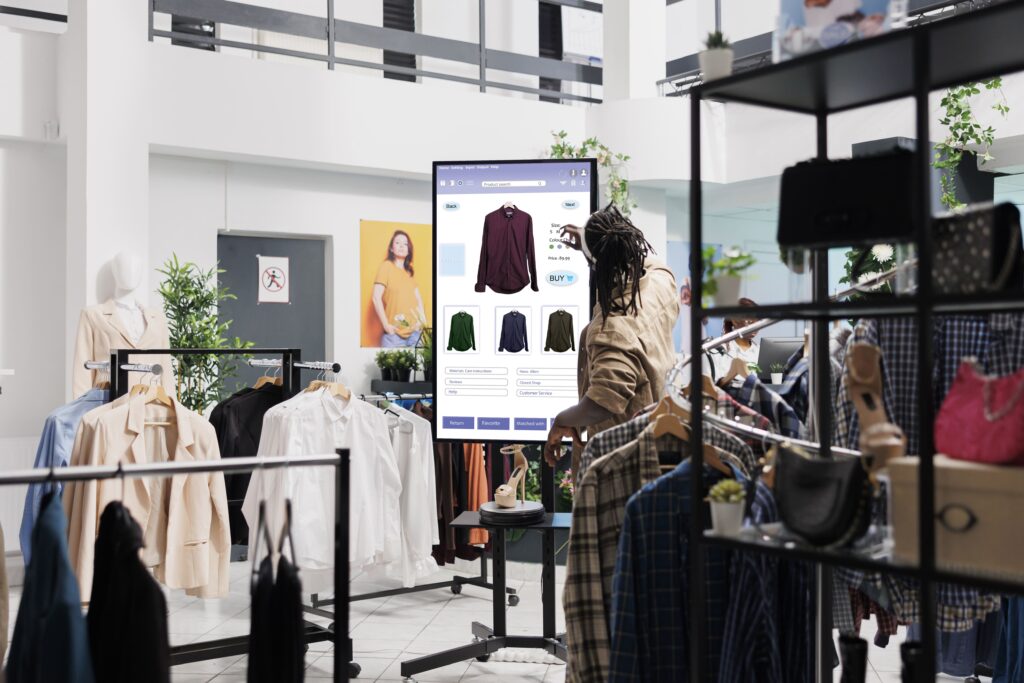
The dilemma that faces retail marketers in data terms is that there is much information about customers but the customary segmentation is merely pinpointed into simplistic categories like new versus returning customers or email subscribers. The sophisticated forms of segmentation utilise the entire potential of this data and create specific audiences groups that can advance the personalised campaigns, better ROI and effective budgetary allocations. Modern tools enable dynamic segments that reflect reality in terms of behaviour, value and intent, and therefore allow automated journeys that would remain relevant as customer touchpoints all. Why basic segments are not enough Basic lists like demographics or subscriptions do not reflect the multidimensional aspects of channel, device and occasion shopping.They treat customers as homogeneous groups, creating inefficiencies by allocating ad budgets to low-intent buyers while missing high-value opportunities. The future actions are predicted with twenty to thirty percent above conversion rates using focused messaging and inventory optimization. The retailers with the detailed segmentation use significantly better intimacy and retention. Bring e-commerce, POS, loyalty programmes, campaigns, and third party information in one customer perspective; through the use of customer data platforms (CDP) or marketing cloud solutions. This uniform information facilitates cross channel tracking and real time activation. Visual builders/SQL enables marketer to write reusable complex rules without help of an engineer so that the segments capture entire behaviour and not just pieces. Accurate profiling is based on clean, unified data. Go beyond demographics with richer profile Age, sex and place will give a starting point; but a combination of these features in addition to psychographics, geography, and buying history will create doable information. Indicatively, the urban athletes who are interested in fitness can have the same demographic attributes as the casual customer but have significantly different spending patterns, category preferences, and content receptivity. Multi-dimensional profiles match is also relevant to underlying motivations. Grocery chains use bulk buying information to target big families to be provided with discounts of the family sized product, thus increasing the size of the basket. Combine behavioural and lifecycle segmentation Segments that are high-precise are obtained by combining behavioural data, such as browsing behaviour, cart abandonment, response rates, in-store visits, with lifecycle stages (new, active, lapsing, dormant). Reminding customers of cart abandonment, onboarding new buyers with welcome programs and working on lapsing users through the preferred channels collectively and rapidly achieve engagement three to two times as compared to generic messaging.Nike uses RFM to re-engage lapsed high-frequency buyers with personalised shoe discounts via app/email. Use value and RFM based segmentation RFM (recency, frequency, monetary) scoring is used to rank the customers by their actual worth. Champions (new, regular high spenders) will get VIP treatment; at-risk-loyalists will be invited to re-engage; dormant accounts will be approached with win-back offers. Value-based segmentation avoids the issue of over-discounting loyal buyers and targets the expenditure on where behaviour changes are highly likely. The e-commerce sites are seeing a marginal fifteen to twenty five percent increase in margin. The further granularities are implemented in RFPM-V models and allow to identify the product-specific segments. Add AI powered predictive segments Based on past trends, machine-learning models predict churn risk, the subsequent types of purchase and the associated ideal level of discounts. Indicatively, a proactive variant of targeting such as likely footwear buyers in thirty days or high churn beauty shopper is more precise by a factor of eighty five percent over sixty percent; this translates to between twenty and twenty five percent ROI gains in marketing. Real-time behavioural analysis has proven effective in dynamic recommendations as shown in Amazon. These models will change themselves as behaviour changes, and do not need to be manually rebuilt. Implement segments in your retail tech stack Marketing Cloud, personalisation engines and CDPs are used to consolidate information to stimulate the omnichannel. Segments are demarcated either through visual filters or SQL and balanced on email, SMS, app push, web, and advertising platforms. High-impact groups such as champions, at-risk customers, high-intent browsers, new buyers should be given focus first before the micro-segments can be traversed. Omnichannel lifecycle segmentation that T.M. Lewin has exhibited by blending online and in-store promotions is a strategy that encourages foot traffic and retention. Measure performance and refine segments Segmented metrics that should be tracked are revenue lift, retention, engagement, and ROI. A/B testing on criteria needs to be done quarterly with dynamism in real-time membership changes. Lifecycle marketers measure repurchase and lifetime value. Scheduling effective sections works out; as an example, Omnisend indicates improved conversion with the interest-based promotions. Strategies are well refined on a regular basis to keep pace with changing behaviour. Conclusion Enhanced segmentation will move retailers away to just having lists to behaviour driven and dynamic marketing. RFM, lifecycle, behavioural, and AI forecasts are united in order to develop personalised experiences that support revenue and do not undermine margins. There is high engagement, retention and scalable campaigns that are formed which alter data into long term growth.
From Browsers to Buyers: How Salesforce Marketing Cloud Recovers Abandoned Carts
What Is Context Awareness in Mobile Experiences? Mobile expression Context awareness is the ability of an application to identify and understand data about the surrounding of the user, what is going on, and the availability of the device in the present moment. The applications dynamically change the behavior based on a sensor-collected data, like GPS, accelerometer, and ambient light sensors, as well as the external data like weather and calendar events, etc. This allows personalized, relevant, and timely exchange to the present context of the user. Context-based applications contribute to the enhanced usability of application by predicting user needs and making adaptation in the content, notifications and interface to facilitate the flow of experience. Adaptive Apps: The Next Frontier in Context-Aware Mobile Experiences The high rate of mobile technology development has seen a new breed of applications with the name adaptive app—these applications dynamically adjust their behaviour depending on the situation that the user is in through real-time adaptation, content adjustment, interface adjustment, and functionality adjustment. Unlike traditional applications that offer an unchanged experience irrespective of time and location, adaptive applications use data as provided by sensors on the device, user interaction, environmental factors and other external forces to create user-friendly and custom experiences. The flexibility of the applications makes them easier to use, enjoyable, and useful, hence initiating a major change in the interactions between users and mobile applications. Understanding Adaptive Apps and the Technology Behind Them Adaptive applications require a heavy usage of context awareness, which is made possible through the use of modern smartphones and wearables that have numerous sensors having the ability to sense things like GPS, accelerometers, gyroscopes, ambient light sensors, and biometric tracking devices. These sensors constantly monitor the environment and actions of the user he/she is in. This information is processed with artificial intelligence and machine learning methods to find patterns, anticipate the needs of potential users, and provoke real-time changes in content, interface, and functionality in the app. Connections to cloud computing enable more advanced analytics and customization , and edge computing provides low-latency reaction. Moreover, adaptive applications access information on external platforms such as weather, calendars, social media, and IoT devices, therefore, making it possible to have a full situational awareness. Benefits and Opportunities of Adaptive Apps Switching to adaptive applications brings with it a lot of benefits to the users and the developers. Users have the advantage of extremely relevant and customized experiences that react real time with changing conditions thus increasing the engagement and satisfaction. An example of smartphone application that uses adaptive fitness are changing exercise recommendations to fit the users location, weather, and past activity, and an example of a smartphone app that switches between walking and driving modes is a navigation application. Adaptive interfaces enhance the access by scaling or rearranging the UI elements based on the device type and preferences of the user. Also, adaptive applications can optimize the resources of the device, including saving battery, and changing network activity according to the status of connection. Alternatively, to developers and businesses, adaptive applications create new opportunities in user differentiation, efficiency in operations, and loyalty. Challenges and Best Practices in Developing Adaptive Apps The Future of Adaptive Mobile Experiences The future of adaptive apps is inextricably associated with improving technologies like 5G, more powerful AI applications, augmented reality, and wearables that can offer more and more comprehensive contextual data. Adaptive applications will be more immersive and seamless experiences as voice assistants and interconnected IoT ecosystems become more mature. Those that adopt adaptive embedded technology will gain competitive advantages through the provision of smarter, more responsive applications that are more responsive and aligned to the needs and preference of users which will eventually promote growth and innovation to thrive in the mobile world.
Decoding Every Shopper: How Retailers Unlock Deeper Connections With Salesforce Data Cloud

In the rapidly changing retailing environment, companies can no longer believe to think about every shopper as a transaction. As customers move through digital platforms, mobile apps, brick and mortar locations, and service centres in their buying experience, in many cases, in a single purchasing effort, the retailers have realised that understanding each individual customer is the main assumption to sustainable market development. Such transformation in dealing on a transactional basis to a relationship-based business is enabled, now more than ever, with the help of platforms like Salesforce Data Cloud. Meeting Shoppers in Every Moment Salesforce Data Cloud is not only a database of customers. It is a constantly evolving, real-time service that incorporates information across an infinite number of touchpoints: online orders, social media communications, in-store visits, customer support calls, customer loyalty programmes, loyalty mobilizations, and even window shopping. Instead of gathering information in isolated silos, Data Cloud puts it all together, tying it to a single and integrated, 360-degree profile of each shopper. As a result, rather than viewing Mary as a non-identified visitor visiting a web site, a retailer can identify what brands Mary likes, what she has bought previously, whether she is a loyal or a non-loyal customer, and what she has said after an earlier customer-support experience. Mary does not come to the store or even make a purchase online as a stranger or a number, but as a recognised appreciated customer whose likes and history inform all the interactions. Real-Time Insights Fuel Real-Time Personalization The ability to bring together customer data is only the start. Salesforce Data Cloud transforms raw data into insights that can be put into practice by the use of strong AI and machine-learning. This is where the change is seen in the case of retailers. The real-time processing of Data Cloud enables a brand to address the needs of the customer in real-time. When a shopper abandons a cart online, e.g., a shopper can get a personalized follow-up instantaneously through email or a mobile device with a suggestion of similar products or an aid. Personalization, powered by AI, is not only limited to the digital medium. Associates working in-store who are equipped with the devices linked with Data Cloud will be able to see purchase history, wishlists, and previous requests of each customer. This allows real time chatting and really attentive service. For example, a retail associate who notices that a customer frequently purchases athletic wear can offer personalized discounts or highlight new products tailored to their interests, thereby enhancing customer satisfaction and fostering loyalty. Predictive analytics and AI-powered insights, especially through Salesforce’s Einstein AI, play a critical role in enhancing the capabilities of Data Cloud. Einstein leverages vast amounts of real-time data, machine learning, and AI-powered insights to anticipate customer needs, predict buying behaviors, and automate personalized interactions across all customer touchpoints. This empowers retailers to move beyond descriptive analytics and embrace predictive strategies that drive personalized shopping experiences, improve customer loyalty, and optimize inventory and marketing efforts. By integrating these advanced technologies, Salesforce Data Cloud offers a unified view of each shopper and actionable intelligence that helps retailers stay ahead in the competitive omnichannel retail landscape. Unifying Omnichannel Experiences The modern clientele prefers uniformity as opposed to channels. They are demanding a smooth ride when going through a site into an application, a social media ad into a visit to a physical store, driven by retail analytics, unified customer profiles, AI-powered insights, and personalized shopping. Salesforce Data Cloud is designed to bring all these omnichannel journeys together. Introducing a harmonised shopping, mobile browsing, and in-store purchases into one perception is Data Cloud that guarantees the customers an aestheticised, customised online shopping, mobile browsing, and in-store purchase experience regardless of the medium. To retailers, this will minimise confusion, create unlimited sphere of engagement and bond the brand with the shopper. Because clients interact through several touchpoints, Data Cloud helps the retailer to turn on the relevant data automatically. As an example, a recent in-store purchase can prompt a thank-you email with a personal introduction, an exclusive loyalty offer in the application, or a morning-time product suggestion on the site of the brand. Well-placed such moments cause trust and emotional bonding to be built, – turning one time purchasers into loyal supporters. From Segmentation to Individualization Whereas the data platforms of the traditional world tend to divide customers into large segments: age, locality, or generic tastes, Salesforce Data Cloud due to its high levels of integration crosses group profiles. It makes real individualisation to be empowered. Marketers and merchandisers are able to conduct their explorations to extremely detailed shopper behaviours in real-time, splitting the audiences based on particular interests, timely actions, as well as changing needs. As an example, a retailer may know of the customers who have recently visited running gear, left their shoe shopping efforts midway and are about to run out of loyalty points. The single perspective data cloud promotes agile campaigns and this enables teams to deliver exactly the right message, at the right time, through the right channel. These direct programs will produce better conversion, better interaction and eventually increase lifetime value to the retailer. Smarter Inventory and Store Operations Marketing is not the only issue that retail is involved in; operational intelligence is also a major issue. Data Cloud helps the retailers to keep track of inventory, sales trends and store performance on real time basis. When a fashion retailer leverages Data Cloud, it gains insights into which products are selling well online and can then adjust inventory in physical stores accordingly, ensuring that popular items are available wherever customers choose to shop. This agility is no longer about minimising stockouts or avoiding overstock, this is also about retailers to design promotions, supply chains, and even future demand variations using a combination of historic and behavioural data. The customers trust and have loyalty when they realize they can rely on a retailer to not only make sure they can make their choice but
Salesforce CRM for Retail: Building Loyalty Through Smarter Customer Relationships
Customer relationship is more important than ever in the current competitive retail environment where the relationship established with the customers plays a key role in the business. Customers would like to receive individualised services, promptness and smooth interaction among various channels. Salesforce Customer Relationship Management (CRM) solutions enable the retailers to have the ability to fulfill these expectations through the provision of a single platform that allows the management of sales, marketing, service, and customer information. Unlike their competitors, retail enterprises can achieve higher levels of customer loyalty to their operations, raise the scale of sales volumes, and make the growth long-term after the Salesforce CRM has been put in place. Centralized Customer Data with a 360-Degree View One of the key benefits of Salesforce CRM is the ability to store the information about customers in centralized database, which is known as Customer 360 view. This capability unites information collected in many different touchpoints: in-store purchases, online purchases, social-media interactions, and support requests into a single profile. Such wide-angle view helps retailers to get a profound understanding of their customers, such as purchase history and behavioral patterns, and, as a result, it allows tailoring the experience to the customers in a personalized and individual way. The centralized data system allows working in coordination among departments, thus the sale, marketing, and customer services departments can have access to real-time information. This correspondence prevents the occurrence of fragmented communication and ensures provision of consistent and pertinent customer experiences that contribute to the creation of loyal customer relationships. Streamlining Sales Processes with Automation Salesforce CRM automates a lot of the routine sales processes and the sales personnel get more time to concentrate on prospects that have high priorities. The opportunity tracking, pipeline forecasting, lead management, and automated follow-ups are the features that can optimize the sales cycle and make it more efficient. Current information on sales activities enables sales people to rank leads when they need prioritisation as well as to make deals quicker. With the combination with the calendar, emails and other communication tools, Salesforce removes manual and spreadsheet data entry and makes sure that sales teams are updated on the newest information about the customers. This simplified methodology eradicates mistakes and speeds up the expansion of revenues. Enhancing Marketing Effectiveness with Automation Marketing Cloud can be linked with Salesforce CRM and it enables the retailer to create and execute targeted campaigns depending on customer segments that are defined on the basis of behaviours, demographics and purchase history. By automation, marketers would be able to send personalised messages via email, mobile alerts, social media advertisement and web content that appeals to individual customers. The AI-enabled tools offered by Salesforce examine the performance of a campaign in real-time and can offer marketers game-changing insights on how to optimize their messages, timings, and choice of channels to utilise. This amount of personalisation is not only engaging but also converting and retaining customers in the long-term. Delivering Superior Customer Service One of the crucial pillars in establishing strong relationships in the retail is customer service. Salesforce Service Cloud brings together customer services over the phone, email, chat, social media and self-service performances with the goal of ensuring that the enquiries are redirected and addressed timely. Chatbots based on AI and managed with the help of the human resource department address unproblematic requests immediately, and they also deal with complicated ones effortlessly. The Concept of omnichannel support ensures that it provides quality services at all times, irrespective of the form of communication. Analytic tools allow to discover recurring problems, track the performance of services and consistently enhance the satisfaction of customers. Retailers can build trust and loyalty towards the customers by effectively solving their problems within a short period. Leveraging Predictive Analytics and AI The Salesforce Einstein is the AI aspect of the salesforce CRM that offers predictive analytics and customised recommendations to preempt any customer requirement. The ability to analyse the historical and real-time data allows Einstein to predict customer churn risks, suggest appropriate products, and advice the sales and marketing teams about the most appropriate next steps. Such insights into the future allow retailers to engage customers in advance, use specific retention campaigns, and resource distribution becomes more resourceful and planned. Smart different inventory control is also enabled by the AI-based approach which predicts the demand pattern and prevents stock-outs or overstocking. Real-World Success Stories The retailers who have adopted the Salesforce CRM have realized significant gains in sales productivity, customer satisfaction, and retention. In one instance, a telecommunication firm decreased the churn rate by 30 percent by using the CRM to customize outreach and service. A national chain of stores computerized lead management and follow-ups and results in 25% big deal closures. The other company enhanced customer support by adding Einstein AI to be more responsive to customers and make them happier. These customer testimonies underline the potential how Salesforce CRM can change the operations of a retailer and its interaction with customers. Scalability and Customization for Retail Needs Salesforce CRM is highly customised to support business process uniqueness and retail channels. The retailers can customize workflows, dashboards and third-party applications integrations to suit their unique needs. Scalability of the platform can accommodate both the expanding businesses and international businesses. One of the ways Salesforce keeps retailers at par in the changing competitive marketplace is by constantly adding options and integrating the emerging innovations. Conclusion Salesforce CRM is an enforcer that enables retailers aiming at creating loyalty by creating smarter customer relationships. Retail businesses can achieve greater efficiency in their operations and customer satisfaction by centrally storing customer data, automatising sales and marketing operations, providing personalised customer experiences and using AI-driven insights. Adoption ofSalesforce CRM would place the retailers in a place of prolonged growth and competitive advantage in the digital era.
How Retail Brands Can Deliver Omnichannel Engagement with Salesforce
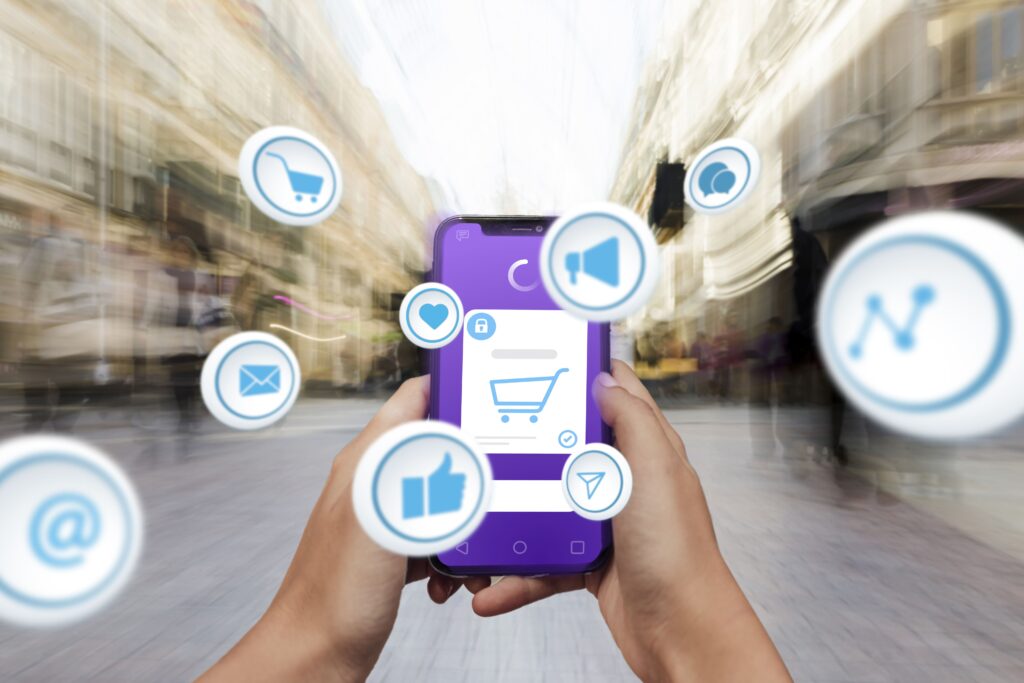
In this modern world of retail that has been fast-paced, consumers expect a smooth sailing and consistent experience regardless of the channel they choose to use. Be it online, in-store or through mobile app, customers want to be interacted with a personalized, efficient and integrated manner that reflects on its tastes and purchasing track record. Such an engaging level requires the retail brands to employ powerful omnichannel strategies supported by developed technology. The sum of all omnichannel retail tools, Salesforce prepares brands to deliver these connected experiences, streamline operational activities, and to engage customers in the most efficient way. Understanding Omnichannel Engagement in Retail Omnichannel engagement is a business strategy in which retailers will combine a series of channels of sales and communication to provide the consumer with a consistent and complete brand experience. Omnichannel is a quest to integrate various channels despite the difference between a mere multichannel presence,which simply implies the availability of a product in multiple channels, and omnichannel that aims to make customers easily switch to another channel without losing contextual information or service quality. The most important elements of an omnichannel engagement include the unification of the datas, real-time insights, personalized communication, and customer-journey management. Retailers using the omnichannel strategies create detailed customer profiles which are based on a combination of purchase history, browsing behaviour, service use and socialisation, which are all integrated within one platform. Salesforce Tools Driving Omnichannel Excellence Salesforce offers a bundled service, which brings together the Commerce Cloud, the Marketing Cloud, the Service Cloud, and the Einstein AI to ensure the success of omnichannel retail. Commerce Cloud facilitates working capacities online and offline within stock synchronisation so as to allow aspects like Buy Online Pick-Up In-Store (BOPIS), curbside pick up, and centralised order management. Marketing Cloud will enable retailers to create personalized marketing messages and promotions by email, mobile, social media, and the web featuring customer data to present the pertinent content at the right moment. Service Cloud links customer service contacts at all points of contact through which there is quick and consistent response which can be smoothly escalated by chatbots using AI to human agents. These platforms could be improved by Salesforce artificial intelligence (Einstein) with the use of predictive analytics, recommendations that can be customised, and intelligent automation improving decision-making, marketing expenditure optimization, and customer satisfaction. Real-Time Data and Customer Insights The main advantage of the omnichannel solutions offered by Salesforce is based on their ability to provide real-time information and insights that can be taken into account. Centralised dashboards give decision-makers a 360-degree view on customers and operational data. The visibility would facilitate timely response to the changing market conditions and customer requirements, optimising inventories, timely promotions and addressing customer concerns at a fast pace. The capability to monitor key performance indicators, such as basket size, customer retention, campaign return on investment and Net Promoter Scores, helps the retailers to make constant improvements to their strategy. Segmentation and journey mapping help retailers to determine their pain points and opportunities and creates customized experiences to build customer loyalty and increase lifetime value. Enhancing Customer Experience Through Personalization The key to successful omnichannel retailing is personalised customer experiences. Salesforce allows brands to segment their customers using behaviour, preferences and purchase patterns so as to serve specific marketing campaigns and custom product recommendation to target audiences. Personalisation is not limited to the field of marketing because Salesforce can also personalise customer service by enabling the support team to predict the problems and recommend the upsell item to create an even more exciting and satisfying customer experience. Such personalized experiences generate a trust and a stronger brand connection, which is very needed in the current competitive retail environment. Overcoming Challenges and Future Opportunities Although Salesforce has strong solutions, an omnichannel strategy implementation is not a simple task. Fragmentation of the data, complexity of integration and adoption by the users are still major constraints. However, Salesforce has resolved these problems through constant innovation of the platform, third-party application integration, and user friendly interfaces. Omnichannel retailing will be advanced in the future by incorporating more AI, advanced analytics, voice and visual commerce and immersive technologies including augmented reality, all built in Salesforce dynamic ecosystem. The early adopters of these trends will increase the engagement levels of shoppers, efficiency, and profitability of the retailers. Metromax: Driving Omnichannel Retail Solutions with Expertise Metromax Solutions offers Salesforce implementation and consultancy solutions that are specifically designed to meet the needs of the retail industry.Their team of accredited experts will focus on assessing customer experiences and integrating Salesforce omnichannel features to provide a flawless, personalized shopping experience. Since matching inventory and managing order fulfillment in more than a single channel is necessary to leverage AI-driven insights to improve specific marketing and services is a need, Metromax will guarantee that retail brands are taking full advantage of the Salesforce ecosystem.With a combination of deep industry knowledge and cutting-edge technology, Metromax enables retailers to improve operational efficacy, intensify the association with patrons, and encourage continuous development in an ever-competitive online setting.