iOS Mail Privacy And SFMC Deliverability In 2025: A Smarter. Simple Approach To Email Achievement
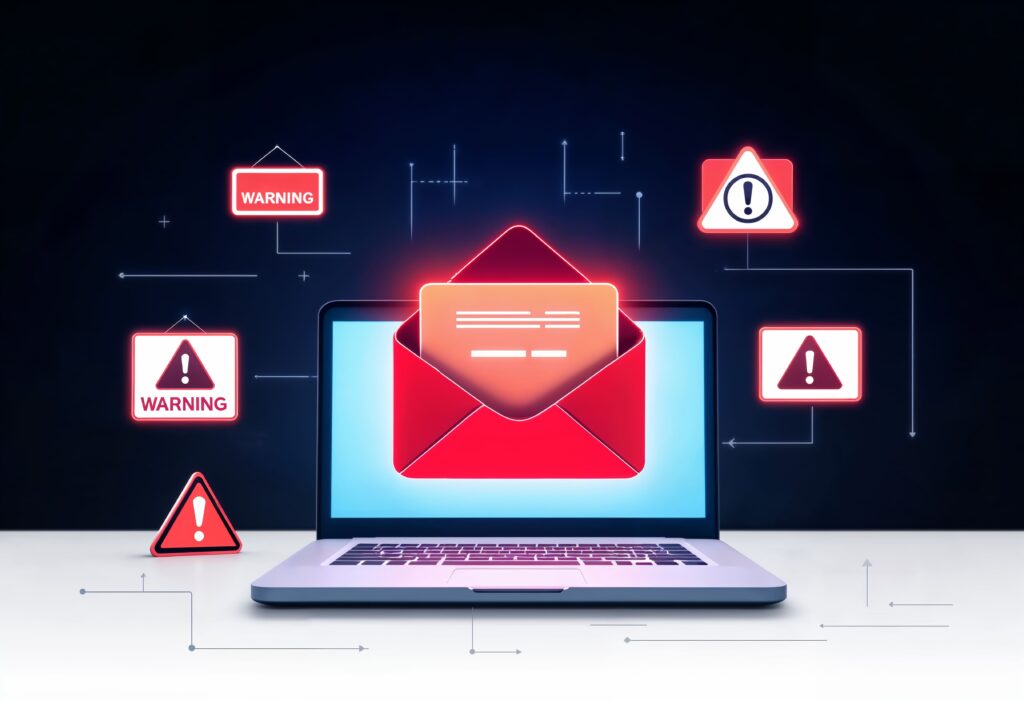
In 2025, email marketing tactics need to evolve to address new challenges. As iOS Mail Privacy Protection continues to evolve and inbox filtering algorithms get tighter, pinning your hopes on old tricks can mean losing performance, conversions, and revenue. Today’s marketers on Salesforce Marketing Cloud (SFMC) must confront a central question: how do you remain relevant in a privacy-first world? In this blog, we’ll address the effect of iOS Mail Privacy, detail how to enhance SFMC deliverability, provide testing strategies still effective, dissect the new email success metrics for 2025, and much more. What Is iOS Mail Privacy, And Why Does It Matter For SFMC? iOS Mail Privacy Protection (MPP) from Apple, expanded up to iOS 17+, limits senders from seeing open rates and IP addresses. Why it’s vital for Salesforce Marketing Cloud: What Is SFMC Deliverability, And What Are The Best Practices For 2025? Deliverability is your capacity to hit the inbox rather than the spam folder. In SFMC, it is dictated by sender reputation, engagement with emails, and quality of content. Best practices to deliver better SFMC emails: Authenticate your domain (SPF, DKIM, DMARC): Take care of list hygiene: Warm up your IP/domain: Send clean, non-spammy email content: Track performance metrics: Testing Strategies That Remain Effective In A Privacy-First World Even with the evolution of tracking, A/B testing email remains a high-impact tactic in SFMC. A/B test smartly that marketers should still execute: Click-through rate (CTR) testing: Subject line vs. preheader optimisation: Layout testing: Send-time optimisation: New Email Success Metrics To Utilise In 2025 Old metrics, such as open rate, are obsolete. Marketers require metrics that relate to actual engagement and ROI in 2025. Most important email success KPIs that count now: Click-to-open rate (CTOR): 1. Maximises the engagement of your email by those who open it. Prioritise here for precise performance measurement. Revenue per email (RPE): 2. Monitors direct money returns from your campaigns—perfect for e-commerce and B2B sales funnels. Conversion rate: 3. Track the % of subscribers who finish your main call-to-action. This can be shopping or form submissions. List growth rate: 4. Examine net growth in subscribers to gauge how effective your lead capture efforts are. Unsubscribe and complaint rate: 5. Reveals ineffective audience targeting or oversending. Keep complaint rates below 0.1% to avoid deliverability issues. How To Read an Inflated Open The Right Way Thanks to Apple Mail’s default image preloading, most marketers are experiencing artificially inflated open rates. Here’s how to align your analytics approach: Prepare to maximise your SFMC results? Schedule a free strategy slot with MetroMax Solutions. What’s New In Inbox Filtering In 2025? Inbox filtering is now AI-driven. Email platforms now consider user intent, history, and engagement when deciding where to place emails. What to understand in the new filtering features: 1. AI tracks sender consistency: Unpredictable sends, less engagement, or unexpected surges can trigger spam filters. 2. Domain reputation matters now more than ever: ISPs now review the domain name (not only the IP address) to assess trust. 3. Content quality affects inbox placement: Poorly formatted emails, dead links, or spammy text are marked more quickly. 4. Mobile optimisation is obligatory: Most filtering systems currently verify for responsive design as a part of user experience scoring. How MetroMax Solutions Assists Email Marketing In A Privacy-First World In the privacy-first world today, MetroMax Solutions assists companies with successful, intelligent, and effective email marketing, particularly on Salesforce Marketing Cloud (SFMC). What we provide: MetroMax Solutions is your go-to solution for iOS Mail Privacy navigation, email deliverability best practices, and data-driven success. Wish to have improved SFMC performance in a privacy-first world? Schedule your free consultation. Conclusion 2025 is the year of intelligent, highly ethical, and more data-conscious email marketing. With solutions such as Salesforce Marketing Cloud, a robust ally such as MetroMax Solutions, and new strategies adapted to the iOS Mail Privacy age, you can keep thriving with your email marketing campaigns.
Web3 Unleashed: The Decentralized Revolution Redefining The Future Of The Internet

The internet is moving into a new phase–Web3, where decentralization, blockchain, and user empowerment are the focal points. As centralized platforms become less powerful, decentralized web applications (dApps) are changing the manner in which we interact, transact, and trust online. How Decentralized Web Applications Are Revolutionizing The Internet In The Web3 Age Decentralized web applications (dApps) run without the use of centralized servers, allowing users a 100% authority over their data and interactions. Here’s why dApps are changing the online world: This revolution is resulting in a greatly open, safe, and equal Internet. The Use Of Blockchain In Enabling Decentralized Applications (DApps) Blockchain delivers the basis for dApps via the provision of a protected, immutable, and distributed ledger. Why blockchain is important: MetroMax Solutions employs blockchain protocols such as Ethereum, Polygon, and Solana to offer resilient Web3 applications for enterprises. Ready to begin your Web3 venture? Contact MetroMax Solutions for a customized development plan. Smart Contracts: The Foundation Of Web3 Transactions Smart contracts are automated contracts. They are coded in software that functions on many blockchains. Core benefits: We craft, and audit smart contracts at MetroMax Solutions to provide swift, protected operations for your decentralized networks. Discovering Web3 Wallets: Digital Asset Management In A Decentralized Universe For interacting with dApps or storing tokens, the individual must have a Web3 wallet– a piece of software for securely storing, sending, and getting online assets. Some popular choices: Above-mentioned wallets permit users to control their digital identity without utilizing usernames or passwords. Top Web3 Application Shaping The Internet Landscape Web3 is actively strengthening real-world apps across fields. Prominent dApps and applications: MetroMax Solutions allows brands to rethink their products with decentralized technologies that give importance to consumers. MetroMax Solutions is here to be your technology transformer in this journey. Let’s create something that ensures–together. Final Comments Web3 is not a trend–it’s the blueprint of a greatly democratic and powerful internet. Decentralized apps, smart contracts, and blockchain technology are driving the online world transparency and consumer ownership.
Strengthening Mobile Application Security: AI And Biometrics In Synergy

Mobile applications have become a vital part of daily life, such as banking, shopping, and communication. However, with the growing cyber risks, security in mobile apps is more critical than ever. At MetroMax Solutions, we use the latest technologies to safeguard mobile applications using AI, biometrics, and advanced security frameworks. New-Age Security Measures: Zero-Trust Frameworks And Adaptive Authentication Modern cybersecurity demands a proactive approach to prevent unauthorized access through/to mobile applications. Zero-trust frameworks and adaptive authentication guarantee that only verified individuals can access sensitive information. Zero-Trust Frameworks (“Never Trust, Always Verify”) Adaptive Authentication Protect your mobile applications from cyber risks now. Choose MetroMax Solutions for AI-based security today. The Role Of AI In Improving Mobile App Security AI-powered security solutions improve threat detection and response by processing huge amounts of data, detecting unusual activities, and preventing cyberattacks before they arise. Biometric Authentication: The New Norm Biometric authentication methods, such as fingerprint scanning and facial recognition, offer a much more protected method than conventional passwords. How MetroMax Solutions Improves Mobile Application Security MetroMax Solutions is ahead of the curve in implementing AI-driven security and biometric authentication for organizations that need robust mobile app protection. Our cybersecurity solutions strive for: Why Small Businesses Need AI-Powered Cybersecurity In Mobile Apps Small businesses are increasingly adopting mobile applications to streamline operations, engage customers, and process transactions. However, this digital shift also exposes them to cyber risks. AI-powered cybersecurity and biometric authentication can assist minor businesses: Secure your mobile applications with cutting-edge cybersecurity technologies by MetroMax Solutions. Call us today to secure your digital assets! Conclusion Cybersecurity in mobile applications is no longer optional-it is a must. With AI-driven security, biometric authentication, zero-trust frameworks, and adaptive authentication, businesses can stay ahead of cyber risks. Organizations that fail to upgrade their mobile security risk falling victim to data breaches, financial risks, and reputational loss.
Cloud Security – Best Practices For Protecting Your Data

In today’s digital landscape, data is the new gold, and the cybercriminals in the dark web exploit any vulnerability. The rise of cloud storage has brought incredible convenience and scalability, but it also presents a new battleground for these “bad guys.” Hackers are on the lookout for weak spots in cloud defenses, seeking to steal personal, financial, and sensitive business data. So, it’s crucial to implement solid security measures and shield your cloud-stored information like a well-guarded treasure. Here are the 10 ways to protect your data: Choose a Secure Cloud Provider The first step in protecting your data is selecting a provider with a proven track record. Look for those with certifications like ISO27001 or SOC 2, which demonstrate robust security protocols. Additionally, be mindful of data residency—choose a provider that stores data in regions with strong data protection laws, ensuring compliance and reducing legal risk. Use Strong Passwords Password strength is one of the simplest yet most overlooked security measures. Ensure you’re using long, complex passwords that combine uppercase and lowercase letters, numbers, and special characters. Avoid common phrases or easily guessable information. Also, change your passwords periodically and never reuse them across multiple services. Enable Multi-Factor Authentication (MFA) Passwords alone aren’t enough. Multi-factor authentication (MFA) adds an extra layer of protection by requiring a second form of verification, such as a text message or authentication app, to access your account. Even if a hacker obtains your password, MFA can block unauthorized access by demanding a secondary proof of identity. Encrypt Your Data Encryption is the process of converting your data into a scrambled format, making it unreadable to unauthorized users. When using cloud storage, ensure that both client-side (on your device) and server-side (on the provider’s server) encryption are in place. This ensures that even if your data is intercepted, it remains secure. It’s also crucial to maintain control over your encryption keys for added protection. Implement Role-Based Access Controls (RBAC) Not everyone who accesses your cloud storage should have the same level of permissions. Implementing role-based access controls ensures that users only have the minimum permissions necessary for their tasks. For example, some may only need to view data, while others require editing capabilities. Regularly review these permissions to prevent unauthorized access. Backup Your Data Regularly Cloud storage isn’t foolproof, and relying solely on one platform can be risky. Always back up your critical data and store it in multiple locations, including both cloud-based and physical backups. Regularly test your backups to ensure they work and can be restored in the event of an emergency, such as a breach or accidental deletion. Stay Educated and Informed Human error remains one of the biggest risks to cloud security. Regularly educate yourself and your team on the latest security best practices. From recognizing phishing attempts to understanding secure cloud usage, knowledge is a powerful defense against both intentional and accidental data breaches. Monitor for Unusual Activity Cloud providers typically offer access logs, allowing you to monitor activity within your account. Regularly review these logs for any suspicious behavior, such as logins from unfamiliar locations or excessive data downloads. Early detection of unusual activity can help you respond quickly and mitigate potential damage. Develop an Incident Response Plan No matter how secure your setup, breaches can happen. Having a well-documented incident response plan ensures you’re prepared to act quickly in the event of a security breach. Your plan should outline how to contain the breach, recover lost data, and minimize damage. Practice this plan regularly so that everyone knows their role in an emergency. Keep Your Software Up to Date Both your cloud provider and your devices should always be running the latest software. These updates often contain security patches that fix vulnerabilities hackers could exploit. Set up automatic updates where possible to ensure you’re protected against the newest threats without needing to manually intervene. Conclusion: In an increasingly connected world, protecting your data in the cloud is more essential than ever. With cybercriminals constantly evolving their tactics, it’s critical to stay ahead by implementing strong security practices. Remember, cloud security is not a one-time task but an ongoing process that requires vigilance, regular updates, and constant awareness of emerging threats. Stay proactive, and keep your data safe.