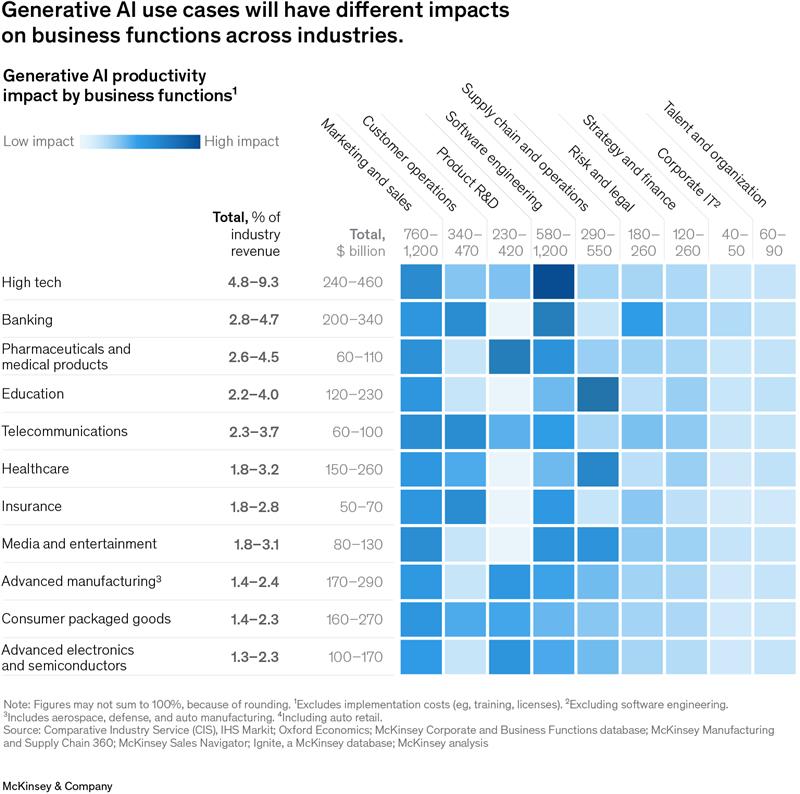
How to use customer data for hyper-personalized campaigns

Introduction Right now people ignore one-size-fits-all ads. Because they expect companies to know what they like, see what they need before they ask, then show something useful exactly when it matters. Suddenly, businesses respond by crafting messages so specific they feel almost predicted – using live actions, personal history, and smart algorithms to shape each interaction uniquely. What is hyper-personalization? Starting off differently each time matters more than just saying someone’s name. What counts is building responses that fit – using past actions, personal details, patterns picked up along the way. Out of all methods, smart guesses shaped by real behavior stand out most clearly here. Personalization vs hyper-personalization Traditional personalization Starting off with just a few details like where someone lives or what they’ve bought before. Name tags help sort things out too. Sometimes it’s about past buys showing up again later. Location matters more than you’d think. What people picked last time can shape what comes next. Simple stuff really – no need for anything fancy. Hyper-personalization Patterns of use shape the system, while artificial intelligence adjusts on its own. Live actions feed into decisions made in the moment. Preferences matter most when responses must match context. Signals around usage guide what happens next, not just past choices. Why hyper personalized campaigns matter Modern customer expectations Consumers expect brands to deliver relevant experiences across every channel. Business benefits Higher engagement rates Increased conversion rates Improved customer loyalty Better customer retention Increased marketing ROI The role of the customer data in personalization Why data is the foundation Without clean data tied together, personal touches miss the mark. When info flows right, responses feel tailored. Smooth links between details shape better replies. Real precision comes only when records match up clearly. Common data sources CRM systems Websites Mobile apps Social media platforms E-commerce systems Customer service platforms The goal Create a complete understanding of each customer. Types of the customer data used for hyper personalization
Improving Customer Service with Salesforce Automation Deliver Faster, Smarter, and More Personalized Support

Introduction Exceptional customer service has become a critical differentiator. As customers’ expectations grow, companies are under increasing pressure to provide faster, smarter, and more personalized support. Salesforce automation can help organizations achieve this goal by enabling them to deliver streamlined customer service and reducing the workload of their employees. What is Salesforce Customer Service Automation? Definition Salesforce customer service automation refers to the use of technology to automate service processes and improve service delivery through AI. Key Components of Salesforce Service Automation The main components of Salesforce service automation include case management, workflow automation, AI, omnichannel support, self-service options, and analytics. Common Customer Service Challenges Businesses Face High Ticket Volumes Delayed Response Times Agent Productivity Issues Lack of Customer Visibility Lack of Customer Visibility How Salesforce Automation Improves Customer Service 1. Automated Case Creation and Routing Customer requests can be captured and routed to the appropriate agent automatically. 2. Faster Resolution Through Workflow Automation Workflow automation can help eliminate repetitive tasks, thereby accelerating the resolution process. 3. AI-Powered Customer Support with Salesforce Einstein The development in terms of the apex as well as the lightning 4. Omni-Channel Customer Support This feature allows customers to get assistance via their preferred channels, including email, chat, phone, messaging, and social media. 5. Self-Service Portals and Knowledge Management Knowledge bases and customer service portals can enable customers to find answers to frequently asked questions and resolve simple issues independently. 6. Intelligent Chatbots and Virtual Assistants These tools can provide customers with instant support while reducing the workload of human agents. Key Salesforce Features That Enhance Customer Service Salesforce Service Cloud Salesforce Flow Omni-Channel Routing Einstein AI Salesforce Knowledge Experience Cloud Business Benefits of Salesforce Customer Service Automation
How to hire the right salesforce developer for your business
Introduction Salesforce turn out to be one of the most incredibly and thoughtfully designed platforms which is available in the present day world. That being said the success which it can lead towards is also highly dependent over the professionals who are to be using, implementing as well as customising it. However the most efficient way of dealing with this is to have hired a salesforce developer who will be managing all the tasks with pertinence to the acceleration of the digital transformation, increment in the overall operational efficiency, along with the maximization the rates of returns. Why hiring the right salesforce developer matters Key benefits Much more quick and effective deployment as well as the implementation activities Scalability along with customization benefits of the salesforce solutions Improvements in terms of the automative abilities and even the productivity Business impact The salesforce developer who suits the best for your business and meets its specific and unique needs and demands can be extremely challenging to find but once you do have the perfect candidate there will be extensively positive benefits for the business objectives, enablement of more powerful and effective experiences of the customers, streamlining the workflows, and even the acceleration of sustainably driven growth. Understanding the role of a salesforce developer Development of the applications in a custom manner The development in terms of the apex as well as the lightning Atomization of the overall workflow and the processes Integrations of the third party systems Define your salesforce requirements first Create a requirement checklist (before hiring, clearly define the;) Objectives of the business Products of the salesforce requirements The customization needs Integration pertaining needs and requirements The support expectation in the long term Essential skills to look for in a salesforce developer
How to choose the right salesforce consulting partner

Introduction The implementation of the salesforce is one of the most significant investment which is businesses can make, yet it is not the platform alone which determines the entirety of the success. It is rather the expertise, strategy, and even the execution capabilities of the salesforce consulting partners which truly defines whether or not the business and the organizations achieve the desired meaningful outputs or if it struggles with the lowered adoption rates, inefficiencies, and even those opportunities being missed. This is exactly why having chosen the right salesforce partner become so very essentially in order to beautifully transform the digital journey. Why choosing the right salesforce partner matters The reason it is so important to have the right salesforce partner is because the influence it has over the acceleration of the implementation process, reduction in the risks of projects, improvement in terms of the adoption of the users, and even helps in the maximization of the ROI on the salesforce investments. Define your business goals first Questions to ask internally What the challenges of the business which we aspire to solve? What are those products of salesforce which we require? What outcomes are the ones which defines success? What is the timeliness and the budgets to be followed? Common objectives The common initiatives of salesforce are the modernization of CRM, optimization process of sales, automative marketing, transformation of the customer service, adoption of artificial intelligence, and even the acceleration of revenue growth. Evaluate salesforce certifications and expertise What to look for It becomes extremely essential to look for the partners which are promptly certified administrators, developers, consultants, architects and even specialists in the realm of data cloud, marketing cloud and even solutions pertaining to artificial intelligence. Why certifications matter The reasons certifications acts as such a critical role is because they provide the validity towards the technical competence and even helps in the demonstration of a perhaps commitment towards the best practices of salesforce. Review industry experience Look for experience in Healthcare Services pertaining to finance Manufacturing Technology based industries Retail
How to Reduce App Development Costs Without Sacrificing Quality

Introduction Many companies want to make high-quality software, but a lot of them have limited funds. The key to good app development with a relatively small size of the budget is choosing the right technologies and managing the costs correctly. The primary importance is to optimize the process in order not to spend the money on unnecessary technologies and concentrate on what the business needs. Which is exactly why the development of the applications which are high in quality does not necessarily requires the humongously funded budget and rather the understanding of the costs pertaining to controlling and the ability to make strategical and sound decisions instead of the cost cutting concerns. Understanding App Development Costs Major Cost Factors The cost of app development depends on various factors, such as complexity, the chosen platform, design, additional features, testing, and maintenance. Why Cost Optimization Matters It is vital to reduce the expenses on things that are not critical to the product in order to speed up the release process and ensure the best quality. Thus, the company will have more profit from the developed application. Strategies to Reduce App Development Costs Defining the requirements of the project with utmost clarity Prioritization of the MVP development Choosing the technology stack which is the best for you Leveraging the developments of cross technology Reusing the components which are already existing as well as the API’s Implementation of the agile development Investment in the quality assurance as early as possible Outsourcing the resources in a strategic manner Common Mistakes That Increase Development Costs Poor Planning Having unclear goals increases the chances of project failure and results in extra costs that could be avoided. Frequent Scope Changes Scope creep makes the app development cycle longer, more complex, and more expensive. Ignoring Testing Inadequate quality assurance makes the project vulnerable to issues on launch, which means additional expenses. Choosing Technology Based on Trends Focusing only on the latest solutions without analysing the needs of the project and the company is a mistake that results in extra costs for maintenance and development. Long-Term Benefits of Cost-Effective Development Reduced time to market. Lowered maintenance costs. Increased return on investment (ROI). Higher user satisfaction. Best Practices for Balancing Cost and Quality
How salesforce journey builder improves customer engagement

Introduction Right now, digital connections shape how people see companies – what matters most is showing up at the right time with something meaningful instead of just sending more messages. People want brands to recognize them individually, whether they’re opening an email, getting a text, or scrolling online apps. Doing that well without help becomes harder each day as paths customers take grow tangled and unique. A tool built into salesforce marketing cloud steps in here – it lets teams map out automated routes tailored to individuals while adjusting on the fly. Since it uses live information to guide outreach, businesses stay aligned with real behaviour, which builds trust slowly over repeated contact points. Understanding salesforce journey builder? Journey builder by salesforce helps companies design smart, flowing paths across channels using how people actually respond. Instead of fixed sequences, messages shift in motion as users interact with a business. What unfolds depends on behaviour caught in the moment. Rules guide each turn automatically when triggers happen. Experiences reshape themselves without needing manual steps. A person’s actions today shape what arrives tomorrow. Systems watch then react – no waiting for scheduled pushes. Communication becomes fluid through constant adjustments. Among its main features are: Painting how users move through a system, step by step. Machines take over repetitive tasks once the path is clear. Messages that follow what people do. Ones sent when something happens. Messages reach people through many paths at once – like mail, phone alerts, apps, ads online and pages you visit. Each piece connects without needing to name how they link up. Real-time audience segmentation. Connecting smoothly to salesforce data cloud along with einstein ai. Integration works without breaks between systems using shared data paths. Tools fit together naturally like parts of one machine working in sync. Works behind the scenes keeping everything aligned across platforms. Customer engagement changes with journey builder Journey builder enhances engagement by transforming fragmented customer interactions into connected, personalized experiences. Key advantages include: Personalized communication: messages shaped by what you like, where your past buys point, plus how you act right now. A different mix every time, quietly fitting each person. Not one-size-fits-all – more like whispers that know when to shift. Content moves with choices, never forced. It listens before it speaks. Real time responsiveness: messages fire off the moment something happens – like buying a product, leaving items behind, or asking for help. Right then, without delay, replies come through based on what was done. Each trigger pulls its own response, seamless and timed. Happens every time, no waiting. Omnichannel consistency: rom website to store, messages stay aligned. Whether online or in person, the tone feels familiar. Each interaction connects without confusion. Customers recognize the voice every time. No matter the platform, clarity remains intact. Lifecycle automation: rom first contact onward, systems guide users through preset paths. Welcome sequences start things off without delay. Follow-up steps keep leads warm using timed messages instead of random touches. New customers get walked through setup piece by piece. Rewards programs kick in once habits form. Reminders pop up before subscriptions fade away. Forgotten accounts receive nudges based on pauses in activity. AI powered optimization: smart tools inside salesforce study how customers act. They guess what people might do next. Suggestions pop up for the most helpful steps. Over time, marketing efforts get sharper. Learning happens all along. Business benefits
How experienced salesforce developers improve CRM performance

Introduction The CRM is known to be one of the most incredibly powerful systems in the realm available in the present day world, yet although its effectiveness reliable heavily over the measure of how well is configured, customized and even maintained. There are many of the organiz ation which makes heavy investments into the salesforce systems and yet face the struggles in achievement of even very optimal of the performances in return, and this is majorly due to the inefficiencies in the technical terms and the underutilization of the capabilities. Therefore the salesforce professionals who are experienced plays a critical role in the transformation of the salesforce from a basic to a high functioning business asset which truly drives the productivity, engagement of the customers and even the overall revenue growth. Understanding the key CRM performance metrics Adoption of the users Management of the data quality Efficiency in terms of operations Accuracy in the reporting The sales being much more productive in nature Higher satisfaction of the customers Why CRM performance matters The CRM platforms tends to have direct impact and influence over the efficiency of the teams operations, the accuracy in the decision making process and even the effectiveness at par which the business is serving its customers. The salesforce environment which is truly well optimized has improved adoption of the users, the workflows operates in a much more accelerated manner, enhancement of the experiences of its customers, and even provides the data which is extremely reliable and promotes strategic decision making. Common salesforce performance challenges Slow page load times Complex automation processes Poor data quality Inefficient customizations Integration bottleneck
How AI Is Reshaping Personalization in Digital Marketing Campaigns

Introduction Artificial Intelligence is set to revolutionize digital marketing by empowering marketers to create unprecedented levels of personalization that can captivate and convert customers. Instead of using generic approaches that target a broad audience, companies are now leveraging AI’s ability to collect and analyse customers’ behaviours and preferences in real-time to engage them individually. Understanding AI in Digital Marketing What Is AI in Marketing? AI is a powerful tool that uses algorithms to automate, analyse, and optimize marketing operations. The Role of Machine Learning and Predictive Analytics These technologies enable the identification of patterns and the prediction of behaviours to inform better marketing decisions. Why AI Matters for Modern Marketers AI is a game changer in contemporary marketing due to its ability to expedite and enhance decision-making processes. What Is Personalized Marketing? From Mass Marketing to Hyper-Personalization Modern marketers are capitalizing on personalization to create unique value propositions for customers.
How GEO and SEO work together to increase high-intent traffic

Introduction With the changing dynamics in the search engine market, the way consumers search for products and services is also evolving. While the conventional search engines still dominate traffic acquisition, artificial intelligence (AI) tools have become very popular in providing direct answers to specific search queries. Therefore, combining SEO and GEO can help businesses maximize visibility on both platforms, ultimately driving high-intent traffic to websites. Understanding SEO and GEO What is search engine optimization (SEO)? Search Engine Optimization (SEO) generally refers to the techniques used to improve the visibility of websites in the conventional search engines. What is generative engine optimization (GEO)? On the contrary, generative engine optimization (GEO) entails the standards followed when optimizing content to appear on AI search engines. Key differences between SEO and GEO While SEO concentrates on enhancing a website’s ranking potential, GEO is concerned with improving content’s authenticity, credibility, and overall authority. Why SEO and GEO work better together Expanding digital visibility Since the two optimization strategies operate in different arenas, using them together can significantly improve a firm’s overall reach.
App store optimization (ASO) getting your app discovered
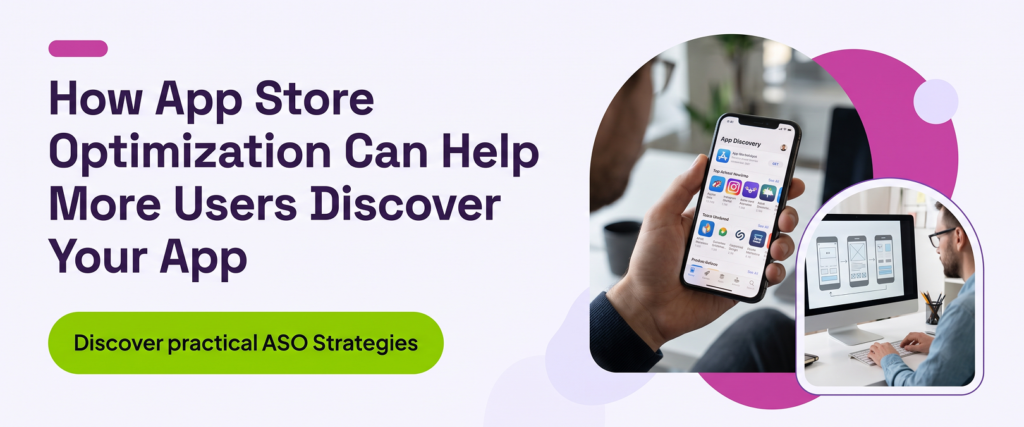
Introduction With the prevalence of millions of apps, businesses must prioritise discoverability to meet their marketing objectives. App Store Optimization (ASO) enables organizations to increase the findability of their digital products, enabling them to drive sustainable traffic growth organically. What is app store optimisation (ASO)? Understanding ASO App Store Optimization (ASO) entails optimizing the app listing in the Store to improve its discoverability. Effective ASO makes the app more visible, helping it to receive more traffic and installs organically. Unlike Search Engine Optimization (SEO), which involves improving the website’s ranking in Search Engine Results Pages (SERPs), ASO applies similar principles in the context of apps. Why ASO matters Like SEO, ASO also relies on the use of relevant keywords to make the app listing more discoverable and searchable by users. Other elements of the listing that contribute to improved visibility include metadata, such as title, description, and category, among others. Additional factors that affect an app’s position in the Store algorithm results include engagement, which is reflected by downloads, retention levels, and overall How app store search works The title should be optimized to include the brand name and the main keyword. A good title is often concise and includes relevant terms. The description should be informative and include additional relevant keywords. It is essential to conduct extensive keyword research and include them organically in the listing’s various elements, such as title, description, and keywords section.