Unlocking 1:1 Omnichannel Personalization With SFMC Interaction Studio And Einstein AI

Consumers of today expect intelligent brand experiences across all digital touchpoints; they don’t just browse. Customers want immediate relevance, whether it’s through dynamic email content, real-time mobile offers, or personalized product suggestions on your website. Brands are utilising Salesforce Marketing Cloud (SFMC) Interaction Studio, now known as Personalisation powered by Einstein, to meet these expectations. Your digital marketing will go from static messages to high-performing customer journeys thanks to this potent tool, which enables real-time behavioural targeting, AI-based decisioning, and cross-channel personalization. Let’s examine how Interaction Studio enables omnichannel engagement that generates leads for mid-sized and enterprise businesses in the retail, healthcare, fintech, logistics, and tech services sectors. What Is SFMC Interaction Studio And Why It Matters For Omnichannel Engagement Salesforce Interaction Studio is a real-time personalization tool that assists companies in providing data-driven consumer experiences across all digital channels. Real-time customer behaviour is tracked and interpreted, combined with first-party data, and AI personalization is used to instantly deliver customized messaging. Key Features: How SFMC Interaction Studio Uses Real-Time Data To Power 1:1 Personalization Across Web, Email, Mobile, And Ads With the help of Einstein AI, Interaction Studio transforms user actions into automated marketing in real time. Across several channels, it dynamically chooses the ideal timing, message, and content. Web Personalization Email Personalization Mobile Personalization Ads Personalization Businesses using multichannel personalization software observe double the marketing return on investment and three times the engagement. (2025 Salesforce State of Marketing Report) Personalizing Websites And Apps In Milliseconds With AI-Powered Recommendations Personalization of websites and apps is made instantaneous and data-rich with Interaction Studio, which reacts to user behaviour in milliseconds. AI Website Personalization Benefits: Common Use Cases: The outcome is that brands that use AI-powered website personalization see lower bounce rates and up to 19% more conversions. Source-2025, Econsultancy. Triggering Real-Time Customer Journeys Based On Behaviour And Business Logic Brands can start automated customer journeys that change based on user actions by using real-time behavioral triggers rather than static workflows. Examples of Real-Time Journey Triggers: Advanced Features: Companies that use trigger-based marketing automation report a 20% increase in client retention. Source: Salesforce Marketing Intelligence, 2024. Bringing Intelligence To Sales And Service With Unified Customer Engagement Data Consistent experiences are ensured through departmental integration of customer data. Frontline teams are empowered by Interaction Studio, which feeds Sales Cloud and Service Cloud with real-time customer interaction data. Use cases for sales personalization include: Use cases for service personalization include: Outcome: Customer satisfaction scores (CSAT) increase, and case resolutions are 33% faster when data is unified. Source: Forrester, 2024. Optimizing Campaign Performance With AI Testing, Affinity Profiling, And Real-Time Analytics Through real-time performance data, Interaction Studio’s test-and-learn engine continuously enhances your marketing. AI Testing and Optimization: Customer Affinity Profiling: Advanced Analytics: Marketers who use AI-powered marketing analytics platforms report faster optimization cycles and a 43% increase in return on investment. — Statista, 2025 Conclusion With SFMC Interaction Studio, you can create customer-focused, real-time experiences that convert, going beyond marketing campaigns. This Einstein AI-powered tool assists you in delivering omnichannel marketing automation that is in line with customer needs and business objectives, whether your goal is to increase revenue, decrease churn, or scale personalization globally.
Mastering Bounce Management In Salesforce Marketing Cloud: A Strategic Guide For Inbox Success

Email marketing continues to be one of the most reliable channels for return on investment in the fiercely competitive digital economy of today. However, if they never reach the inbox, even the most brilliant campaigns created in Salesforce Marketing Cloud (SFMC) Email Studio may not succeed. Bounce management in SFMC is a key performance indicator for enterprise companies in the retail, fintech, healthcare, tech, and logistics sectors. Ignoring it eventually damages the sender’s reputation and results in lost revenue and low engagement. With the support of platform tools and reporting insights, this strategic guide explains how to diagnose performance problems, configure and optimize email bounce handling in SFMC, and take appropriate action. We’ll also demonstrate how MetroMax Solutions lowers bounce rates worldwide and helps clients attain enterprise-grade deliverability. What Is A Bounce In Salesforce Marketing Cloud? Understand The Hidden Cost Of Poor Email Deliverability In Salesforce Marketing Cloud, an email bounce happens when an email is returned by the receiving server without reaching its intended recipient. Although it might seem innocuous, bounce rates have a direct impact on the effectiveness of your email campaign and the reputation of the sender. Important Definitions: Low deliverability can result in low email engagement even with a high email delivery rate. Why Email Bounces Matter: Marketing Cloud automatically updates subscriber status and monitors bounce activity, but it’s your job to fix the underlying issues and prevent more harm. Litmus (2025) states that emails with bounce rates greater than 2% have a 30% higher chance of ending up in the spam folder in the future. Types Of Bounces In SFMC: Decode Soft, Hard, Technical, And Block Bounce Errors For Better Inbox Placement Understanding the various bounce types that SFMC tracks is crucial for efficiently managing bounce behaviour: Gentle Bounce Bounce Block Bounce in Technology Hard Bounce Using fields like BounceType, BounceCategory, and BounceSubcategory, SFMC keeps track of every bounce, which facilitates the classification and handling of bounce data. How To Set Up Bounce Management In SFMC Email Studio: Auto-Suppression, SAP And Deliverability Tools When bounce management is set up correctly in SFMC, invalid, unresponsive, or troublesome recipients won’t ruin your campaigns or damage your sender reputation. Steps to Take: A. Make Auto-Suppression Lists To prevent sending errors, these lists automatically weed out bounced or suspicious addresses. B. Set up the Sender Authentication Package (SAP), which comprises: a. Personalized domain branding for every image and link. b. Dedicated IP for sending. c. SPF and DKIM authentication. d. Routing for reply management C. Warm Up Your IP Address To gain ISP trust and prevent blocks, start sending smaller volumes from new IPs and progressively increase the volume. Combining these settings gives you complete control over your bounce management plan and increases the credibility of your brand’s emails. Track Email Bounce Rates In Salesforce Marketing Cloud Using Bounce Data Views And Reporting Dashboards Monitoring bounce activity after your campaigns go live is crucial for identifying trends early on and optimizing subsequent sends. Useful Tools: Tracking → My Tracking → Send Performance View hard/soft bounces, opens, clicks, and delivery statistics in a visual format. Automation Studio → Query Activities→ Bounce Data View Analyze: Your team can use these insights to track bounce rates over time, isolate issues with particular ISPs, and spot trends. Keep an eye out for subscribers who are in the ‘Held’ or ‘Bounced’ status. Sending to these repeatedly may result in domain throttling or spam traps. SFMC Deliverability Reports You Should Be Using: Domain Performance, Spam Complaints, And Bounce Event Extracts SFMC offers a variety of deliverability reports in addition to raw bounce data to assist you in identifying ISP-specific barriers, flagging spam, and fine-tuning targeting. Recommended Reports: A. Email Performance by Domain Aids in identifying problems with blacklisting or filtering at the ISP level. It’s vital if corporate domains, Gmail, or Yahoo exhibit high bounce rates. B. Complaints About Spam Over Time identifies content and high-risk campaigns that cause ISP feedback loops and recipient complaints. C. Subscriber-level information, such as precise SMTP error messages, timestamps, and bounce categories, is delivered by the Bounce Event Extract File. A deliverability investigation should be started right away if the delivery rate is less than 98% or if the spam complaint rate is more than 0.1%. Salesforce Marketing Cloud Bounce Management Best Practices: Sender Reputation, Subscriber Hygiene, And Content Tools One-time solutions are not enough for sustainable deliverability success; a continuous bounce prevention strategy based on content, hygiene, and reputation is needed. Checklist for Bounce Management: A. Deliver on a Regular Timetable This is because soft bounces and ISP alarms can be caused by sudden increases in send volume. B. Divide Your Audience Do not send bulk emails to invalid or disengaged users. Utilize domain-level segmentation and engagement filters to divide and segment audiences. C. Make Use of Email Studio’s Content Detective Before deployment, this tool looks for common spam triggers in the content of your emails. D. Honour Compliance Requirements Verify compliance with GDPR, HIPAA, and CAN-SPAM as they relate to your sector. E. Keep Your Subscriber Lists Clean Before deleting, regularly purge inactive users, validate new addresses, and conduct re-engagement campaigns. One of the best strategies for lowering bounce rates in both B2B and B2C verticals is consistent data hygiene. How MetroMax Solutions Helps Reduce Email Bounce Rates In Salesforce Marketing Cloud MetroMax Solutions works with mid-size to enterprise-level companies that are implementing Salesforce Marketing Cloud, migrating their CRM, or going through a digital transformation. We address bounce problems holistically because they are frequently signs of more serious architectural, compliance, or data integrity issues. What We Do: Our clients, which range from multinational logistics companies to U.S. fintech startups, rely on us to uphold best-in-class email performance and safeguard sender reputation as they grow. Conclusion Understanding bounce management in Salesforce Marketing Cloud is the first step towards getting your email campaigns noticed. You can make sure every email receives the mileage it needs by being aware of the various kinds of bounces, setting up your SFMC
Cracking The Code To B2B Growth: Why Dirty Lead Data Is Sabotaging Your Marketing ROI

Today, businesses are spending millions on sales enablement tools, marketing automation platforms, and CRM systems in 2025, but they are facing trouble successfully converting leads. What is the common factor among pipelines that perform poorly? Poor quality of lead data. Dirty data is one of the most disregarded yet detrimental obstacles to B2B marketing success, according to a recent report by Integrate and Demand Metric. Clean, compliant data is now a growth asset that cannot be compromised for businesses navigating digital transformation, Salesforce Marketing Cloud (SFMC) adoption, or CRM migration. This blog breaks down the most recent research and provides a plan of action for turning your lead data into a steady, scalable source of income. Inaccurate Lead Data Is A Pipeline Risk: How Dirty Data Impacts B2B Revenue Performance Inaccurate data is a growth bottleneck as well as a CRM problem. Seventy-five per cent of B2B companies estimate that: At least ten per cent of their lead data is faulty, non-compliant, or incomplete, based on the report. Why Manual Lead Management Fails: The Case For Automated Data Cleansing And Enrichment The size and complexity of contemporary B2B marketing are too great for manual procedures to handle. According to the study, 48% of marketing teams manually clean their lead lists for more than ten hours every month. The Compliance Gap: How Weak Data Governance Threatens B2B Marketing Strategy Data compliance is now closely linked to financial security and brand equity as a result of global regulations like the CCPA, GDPR, and HIPAA becoming more stringent. From Fragmented To Unified: Why B2B Brands Are Investing In Scalable Data Orchestration Platforms Disjointed data silos ruin marketing performance in a multichannel environment. To simplify lead management across systems, businesses are using data orchestration platforms. Outdated Martech Can’t Fix Bad Data: Why CRM and SFMC Success Starts With Quality Inputs Successful adoption of platforms such as Salesforce Marketing Cloud (SFMC) depends on clean, enriched, and compliant input data. Revenue Teams That Prioritize Data Precision Will Win: Building A Future-Ready Martech Stack Successful business-to-business (B2B) teams integrate data quality management into their marketing operations (MOps) core. How MetroMax Solutions Helps You Build A Compliant And Scalable Lead Engine We at MetroMax Solutions assist mid-sized and enterprise-level business-to-business (B2B) organizations in the retail, healthcare, fintech, logistics, and technology services sectors in turning their lead data into a competitive advantage. If you’re: Our professionals create end-to-end systems that integrate cross-platform integration, governance automation, and data orchestration to make sure your campaigns operate more efficiently, effectively, and intelligently. Do you want to make your lead data your most valuable source of income? Set up a strategy meeting with MetroMax Solutions to begin creating a better data future right now. Final Comments The strength of your marketing automation, CRM, and MarTech stack depends on the quality of the data that passes through them. Data quality is now a strategic growth driver rather than an IT responsibility, as demonstrated by the Integrate and Demand Metric report. High-performing B2B brands are distinguished from the rest by their lead data, which is organized, compliant, and clean. Your competitive edge is determined by your data foundation, which can improve pipeline predictability and sales velocity.
The Personalization Advantage: How Dynamic Email Content In Salesforce Is Fuelling Next-Gen Engagement In 2025

Imagine this: You’ve spent months creating the ideal email funnel. Even though the message is powerful and the design is clear, your click-through rates are declining. Your users are deleting, skimming, or worse, unsubscribing. Why? Because static campaigns won’t satisfy 2025 audiences. Every touchpoint must be personalized for them. Hyper-personalized content is now the norm rather than the exception in the digital age. With dynamic email content that instantly adapts to user behaviour, preferences, and context, Salesforce Marketing Cloud (SFMC) is enabling marketers to spearhead this change. This blog post will explain how dynamic email functions in Salesforce, why it will be revolutionary in 2025, and how to use it without overburdening your marketing staff. What Dynamic Email Content Really Means In Salesforce Salesforce Marketing Cloud offers more than just “Hello, [First Name]” as dynamic content. It is a rule-based personalization engine that uses segmentation data, subscriber attributes, and behavioural triggers to modify email sections in real-time. Marketers can provide highly relevant content without creating multiple email versions by using dynamic blocks in Email Studio and AMPscript logic, whether it’s changing product recommendations based on browsing behaviour or localizing banners by geography. Leading brands in 2025 will automate changes in: Click-through rates (CTR) and open rates are directly impacted by these dynamic touches, which significantly raise email relevance scores. Why Dynamic Content Is Driving Higher Engagement In 2025 In 2025, customers are the ones who have killed generic email marketing. This is because audiences of today demand highly customized email experiences, with subject lines, images, offers, and even send times catered to their individual preferences and behaviours. The 2025 Marketing Intelligence Report from Salesforce states that emails with dynamic content produce: What’s causing this change? Salesforce Einstein’s sophisticated AI-powered segmentation enables marketers to go beyond demographics and target real-time behavioural triggers, such as past browsing activity, recent purchases, or abandoned carts. As open rate tracking is being disrupted by Apple Mail Privacy Protection, clever marketers are now focusing more on click-through rate (CTR) as the main engagement metric. Additionally, context-aware, personalized content consistently triumphs in this new environment. Example: On your website, a customer looks at running shoes. The following day, they get an email with: That is behaviour-based, conversion-focused, real-time, dynamic content. How Salesforce Uses Data To Power Real-Time Personalization Data is the foundation of dynamic content, and Salesforce has an abundance of it. Custom datasets for each contact can be stored using Data Extensions. When you combine that with Interaction Studio (now Salesforce Personalization), you can use a user’s most recent web, mobile, or email action to trigger real-time content updates. In 2025, popular data points that support dynamic personalization include: The formula that won? Use predictive AI in conjunction with real-time behavioural data to deliver content before the user even recognizes their need. A typical promotional email becomes a conversion engine because of this. The Dynamic Email Elements Top Brands Are Using In 2025 Dynamic email content blocks are being used by top brands in creative, ROI-driven ways in 2025. Here are a few real-world 2025 campaign examples: These are email UX improvements that lower friction and boost conversion rates, not tricks. Scaling Dynamic Content Without Slowing Down Your Marketing Team In 2025. Mass customization of emails seems like a resource nightmare. But with Salesforce, it doesn’t have to be. Here’s how contemporary teams are effectively scaling dynamic content: With the correct automation stack, QA tasks that once took days to complete now only take minutes. By visualizing content for various personas using dynamic test audiences in Preview & Test Mode, you can reduce QA time by up to 70%. What Businesses Gain By Going Dynamic With Salesforce Now Following the transition to Salesforce dynamic email campaigns, companies are reporting the following: If your rivals are still sending out generic email blasts, this is an advantage for you. The greatest benefit, beyond metrics, is agility. Teams can respond to trends, inventory, or customer behaviour at the speed of Salesforce AI in real-time. Why MetroMax Solutions Is The Ideal Partner For Your Dynamic Content Strategy At MetroMax Solutions, we create intelligent engagement pipelines driven by Salesforce Marketing Cloud in addition to helping you send better emails. Our areas of expertise include: MetroMax Solutions is your Salesforce partner that can help you quickly transition from static to AI-personalized email engagement. Conclusion By 2025, the inbox is more than just a channel; it’s a place where your brand cultivates revenue, loyalty, and trust. However, only if you are presenting yourself in a relevant manner. With Salesforce Marketing Cloud’s dynamic email content, you can engage with clients as soon as they open your emails with personalized, rather than mass-produced, messaging. This has nothing to do with tricks. It all comes down to providing your audience with the timing, value, and recognition they desire. And you do more than just increase engagement when you deliver that at scale, intelligently, and consistently. You create a brand that people are interested in hearing from. Let MetroMax Solutions assist you in transforming your email strategy into a revenue-generating machine that is scalable and driven by dynamic personalization.
Google Unveils Advanced AI Capabilities In Firebase Studio: Revolutionizing App Development For Enterprises With Popular Frameworks

Mid-sized to enterprise businesses in the retail, healthcare, fintech, logistics, and technology sectors are under growing pressure to provide quicker, more intelligent solutions without sacrificing quality as digital innovation accelerates. Businesses frequently face challenges such as prolonged development timelines, fragmented system integrations, and ineffective collaboration when managing distributed outsourced development teams, expanding marketing automation through Salesforce Marketing Cloud (SFMC), or undergoing a complex CRM migration. These challenges are intended to be removed by Google’s most recent updates to Firebase Studio, a cutting-edge cloud-based AI development platform driven by Gemini AI. Firebase Studio makes app development a quicker, more agile process that is suited for enterprise scalability by facilitating smooth integration with well-known frameworks and automating backend workflows. This blog explores Google’s Firebase Studio update’s ground-breaking features and shows how businesses can use AI-driven innovation to boost development efficiency and spur growth. AI-Driven Workspace Templates: Supercharge Development With Gemini-Powered Framework Support AI-optimized workspace templates for leading front-end frameworks such as Flutter, React, Angular, and Next.js are now available in Firebase Studio. With the help of these templates, developers can quickly create, improve, and document high-quality apps with little manual input by utilizing Gemini AI’s autonomous agent mode. Highlights consist of: For businesses launching multi-framework apps or integrating with Salesforce Marketing Cloud, this significantly reduces development timelines and enhances code reliability. Smooth Firebase Backend Integration Powered By Intelligent AI Recommendations The latest version of Firebase Studio uses Gemini AI’s natural language processing (NLP) to significantly streamline backend integration. Now that developers can specify the features they want, Firebase Studio will: This lowers backend development overhead and speeds up deployment timelines for companies managing intricate CRM migrations or scaling marketing automation. Workspace Forking: Enabling Safe Experimentation And Collaborative Agile Development Workspace forking is now supported by Firebase Studio, enabling developers to make precise copies of their workspaces, complete with the history of agent chats, to: This innovation improves version control and increases the effectiveness of collaboration, especially for businesses that oversee distributed or international development teams. Enhanced AI Prompting And Large-Scale Project Support For Complex App Development Firebase Studio is now flexible enough to handle enterprise-scale development challenges thanks to these improvements, which offer unparalleled flexibility for both greenfield initiatives and brownfield project modernization. How AI-Assisted Firebase Studio Accelerates Digital Transformation And CRM Migration 75% of businesses will use AI-enhanced developer tools to speed up digital transformation by 2026, predicts Gartner. The new AI features in Firebase Studio help by: Businesses can achieve competitive agility in rapidly evolving industries by concentrating on strategic growth rather than development bottlenecks. Why Global Enterprises Choose Firebase Studio For Scalable, Secure AI-Powered App Development The AI-enhanced ecosystem of Firebase Studio provides businesses with: Businesses can create innovative, safe, and scalable AI-powered apps that meet today’s business needs by implementing Firebase Studio. Conclusion Google’s AI-powered Firebase Studio improvements represent a significant step forward for businesses managing large-scale marketing automation, CRM migration, and digital transformation. Teams can create complex, scalable, and secure applications more quickly and effectively with Firebase Studio’s tools, which include workspace forking, automated backend integration, Gemini-driven AI templates, and advanced prompt engineering. Our speciality at MetroMax Solutions is assisting businesses in utilizing these innovations to boost enterprise growth and return on investment. Our knowledgeable teams are prepared to assist you in exploring Firebase Studio’s full potential, regardless of your area of expertise: global expansion, outsourced development management, or Salesforce Marketing Cloud implementation. MetroMax Solutions: Your Trusted Partner For Leveraging Google Firebase Studio’s AI Innovations MetroMax Solutions enables businesses to fully utilize Gemini AI integration and Google Firebase Studio’s cutting-edge AI-powered development tools. MetroMax Solutions helps companies in the retail, healthcare, fintech, logistics, and tech sectors accelerate digital transformation. They specialize in smooth CRM migration, Salesforce Marketing Cloud (SFMC) deployment, and AI-driven app development. MetroMax Solutions helps your company remain competitive in an increasingly AI-driven digital economy by delivering applications more quickly, scalable, and scalably through the use of state-of-the-art cloud-native technologies and professional consulting.
Perplexity’s AI Stack Is Redefining App Development Speed: What It Means For Enterprises Using Salesforce, CRM, And Omnichannel Automation

In today’s digital-first economy, application development speed has evolved from a performance indicator to a competitive advantage. As the need for AI-native infrastructures increases, Perplexity’s AI Stack is becoming a revolutionary option for companies trying to modernize, automate, and scale. This modular AI framework offers a whole new approach to creating, deploying, and scaling apps with more intelligence and agility for businesses in the fintech, healthcare, logistics, retail, and tech services sectors, as well as those going through CRM migrations, Salesforce Marketing Cloud (SFMC) expansions, or global tech transformation. Here is how. AI-Powered Code Generation For Salesforce Marketing Cloud: How Perplexity Accelerates Cross-Cloud Development Salesforce Marketing Cloud (SFMC) is a robust yet complicated platform that frequently necessitates weeks of manual integrations, journey planning, and scripting. With prompt engineering and AI-powered code generation, Perplexity’s AI Stack automates a large portion of this, minimizing the need for full-stack developers. What Businesses Gain: Companies that integrate AI into Salesforce environments experience a 3.7x faster return on investment and a 50% reduction in deployment time. Source: 2024 Forrester Wave, AI for CRM Platforms. Fine-Tuned LLMs And Vector Embeddings In Perplexity: A Deep Dive Into Scalable App Deployment Did you know that enterprise app architecture is being redefined by the transition from general-purpose AI to refined Large Language Models (LLMs)? With Perplexity, you can deploy models with vector embeddings, refine them on domain-specific datasets, and instantly retrieve semantically relevant outputs. Non-negotiable technical skills include: In Q2 2025, “Enterprise vector search” and “LLM fine-tuning platforms” grew by more than 180%. Perplexity + DevOps Automation: How AI-Powered CI/CD Pipelines Slash Time-To-Market AI-driven CI/CD pipelines are proving to be very beneficial for businesses that deploy apps on a weekly or even daily basis. Perplexity allows for AI DevOps orchestration at scale by optimizing and auto-generating everything from deployment configurations to test coverage. What This Unlocks: CI/CD pipelines with AI integration can increase code stability by 30% and shorten build-to-release times by 40%. Source- GitLab DevOps Trends 2025 is the source. Integrating Perplexity’s AI Stack Into Multi-Tenant CRM Architectures For Faster App Rollouts App rollouts are frequently delayed for businesses utilizing multi-tenant CRM systems due to integration challenges and API security. Using tokenized API frameworks and microservices, Perplexity’s AI Stack facilitates safe integration and provides multi-organization scalability without compromising compliance or performance. Advantages of Integration: Using Perplexity’s NLP Stack For Real-Time Personalization In Omnichannel Workflows Enterprise buyers of today demand real-time personalization across all touchpoints, not just at scale. For high-speed omnichannel automation, Perplexity’s NLP Stack offers sentiment analysis, intent detection, and contextual content production. Real-Time Enterprise Use Cases: Optmizing App Latency And Interference Time With Perplexity’s Edge-Compatible AI Modules Speed is extremely important, particularly when milliseconds impact fraud alerts, diagnoses, or conversions. By bringing model execution closer to the user, typically on-device or in nearby data centres, Perplexity facilitates edge AI deployment and cuts down on inference time. Key Benefits: For 2025 application rollouts, low-latency AI inference is ranked as the most important requirement by 61% of enterprise CIOs. Source: IDC AI Performance Trends Report. Why MetroMax Solutions Is The Best Partner For Perplexity-Driven AI Development With the help of MetroMax Solutions, mid-size and enterprise companies can quickly, accurately, and legally develop and scale AI-first applications. Through a hybrid onshore-offshore model that guarantees both agility and cost efficiency, we leverage Perplexity’s AI Stack to deliver custom NLP solutions, facilitate seamless CRM migrations, and expedite Salesforce Marketing Cloud implementations. Conclusion A new era in enterprise application development has begun with the emergence of Perplexity’s AI Stack. Deploying smarter, more scalable, and context-aware solutions that adapt to changing customer behaviour, regulatory requirements, and data complexity is more important than simply creating apps more quickly. From LLM fine-tuning and vector embeddings to AI DevOps automation, this stack delivers the power and precision enterprises need. But in order to fully realize its potential, you require a partner who is aware of your strategic business objectives as well as your IT infrastructure. MetroMax Solutions can help you realize your app vision quickly by combining deep Salesforce expertise, AI innovation, and agile execution models.
Future-Ready CRM: 10 Salesforce Trends That Will Reshape Enterprise Strategy In 2025
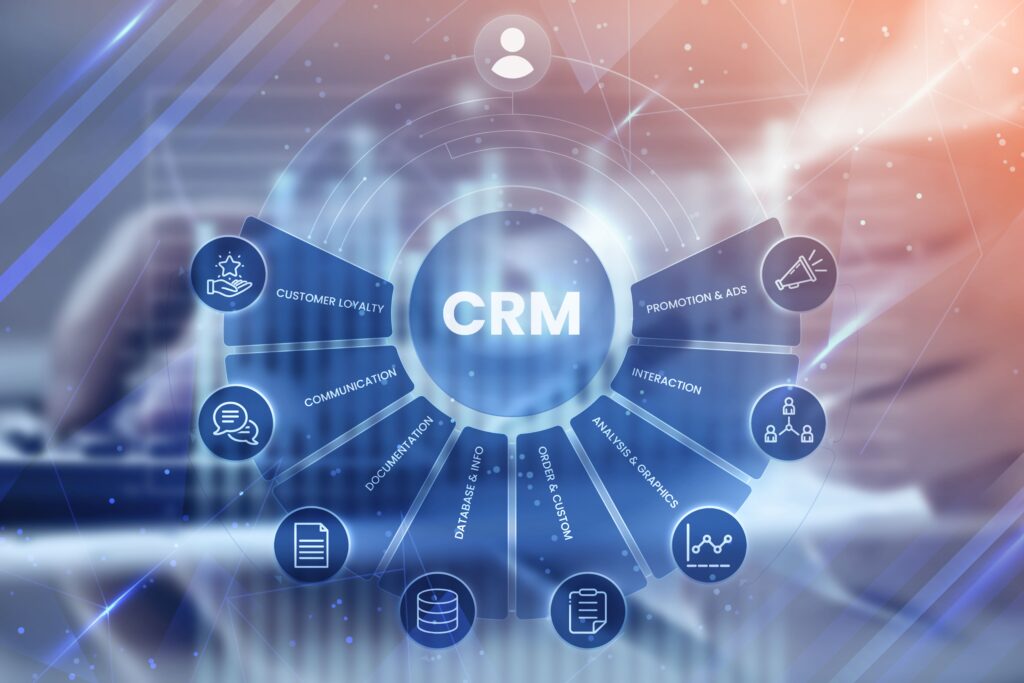
Salesforce continues to be the best option for enterprise-grade CRM solutions in the competition for digital transformation. By 2025, the platform will have progressed from customer management to a real-time, AI-powered ecosystem with intelligent automation, global scalability, and personalized engagement. By 2025, Salesforce CRM is expected to revolutionize customer relationship management, streamline processes, and spur business expansion via AI-driven innovation. Businesses can no longer afford to rely on antiquated CRM procedures in light of the rapid advancements such as Agentforce 3.0, real-time data unification, and hyper-personalized experiences. Salesforce is pushing the limits of digital engagement and operational efficiency with its blockchain integration and industry-specific cloud solutions. These innovations will help you stay ahead of the curve and discover more intelligent, quick, and scalable customer relationship strategies. These Salesforce CRM trends will direct your strategic roadmap, whether you’re scaling your CRM internationally, integrating complex datasets, or deploying Salesforce Marketing Cloud (SFMC). The top ten Salesforce CRM trends for 2025 are examined in detail here. Agentforce 3.0 And Agentic AI: The Future Of Autonomous CRM Workflows With the introduction of an advanced form of agentic AI in Agentforce 3.0, Salesforce can now operate independently without the need for human supervision. Agentforce 3.0 gives collaborative AI agents the ability to initiate workflows, examine consumer behaviour, and make transactional decisions instantly, in contrast to standard automation tools. For instance, a logistics company uses Agentforce to automatically fix delivery issues, rerouting shipments, alerting clients, and updating order status in a matter of seconds rather than hours. Einstein AI’s Hyperpersonalization: Scalable Predictive CRM By offering AI-powered personalization based on real-time customer behaviour, preferences, and predictive modelling, Einstein AI Salesforce maintains its position as the industry leader in predictive CRM. This guarantees that every interaction, whether via in-app messaging, SMS, or email, feels incredibly relevant. For instance, a financial online portal monitors user behaviour and employs Einstein AI to suggest investment options according to spending habits, risk tolerance, and financial objectives. Salesforce Data Cloud 2025: Achieve A Real-Time Unified Customer View The Salesforce Data Cloud functions as a contemporary customer data platform (CDP) by combining structured and unstructured data from every department into a single view. This enables precise segmentation and real-time engagement, providing all teams with access to the same 360-degree customer insight. For instance, to customize promotions across digital and physical touchpoints, a multinational retail chain incorporates POS transactions, mobile app activity, and review data into Salesforce Data Cloud. Net Zero Cloud For ESG: Automate Sustainability Reporting With Salesforce Salesforce’s Net Zero Cloud enables companies to track, report, and lower their carbon footprint in response to mounting pressure on them to meet climate goals. The platform makes compliance and transparency easy by automating emissions tracking through AI-based ESG analytics. For instance, a manufacturing company uses Net Zero Cloud to identify high-emission areas in its supply chain and applies AI-recommended adjustments to reduce greenhouse gas emissions by 15%. Blockchain Integration In Salesforce: Boost CRM Data Security And Compliance Salesforce blockchain integration offers a safe, impenetrable ledger for sharing and storing sensitive CRM data in an era of growing data breaches. For highly regulated sectors like banking and healthcare that must comply with GDPR and HIPAA, this is especially beneficial. For instance, a blockchain-enabled CRM is used by a healthcare startup to safely exchange medical histories amongst providers, guaranteeing data authenticity and lowering vulnerability to cyberattacks. Hyperforce In 2025: Scale Salesforce CRM Globally With Speed And Security The Salesforce Hyperforce 2025 is revolutionizing CRM infrastructure by enabling businesses to implement Salesforce in any public cloud, in any location, without sacrificing speed or data privacy. True global CRM scalability with regional compliance is made possible by this. For instance, teams can manage localised campaigns while complying with stringent data residency regulations thanks to a fintech platform that uses Hyperforce to deploy Salesforce in multiple global regions. Social CRM Integration: Engage Customers In Real-Time Across Channels Customers of today demand that brands interact on the platforms that they prefer. Businesses can monitor brand sentiment, start campaigns, and oversee discussions on Twitter (X), LinkedIn, Instagram, and Slack from a single dashboard with Salesforce’s improved social CRM features. For instance, a consumer electronics company uses Salesforce’s built-in chatbot to react in real time to social mentions of a new product, boosting brand engagement by 22%. Salesforce Industry Clouds: Tailored CRM Solutions For Every Sector Businesses now have access to prebuilt workflows, compliance procedures, and industry analytics created for quicker adoption and better results thanks to the introduction of Salesforce industry-specific clouds, such as Health Cloud, Financial Services Cloud, and Manufacturing Cloud. For instance, a pharmaceutical company maintains HIPAA compliance by using Health Cloud to automate appointment reminders, track patient prescriptions, and monitor side effects. AI-Powered Self-Service Portals: Cut Support Costs With Salesforce Service Cloud The demands of consumers for quick, do-it-yourself assistance are rising. With the help of AI chatbots, dynamic knowledge articles, and ticketing systems, Salesforce Service Cloud self-service portals enable users to address common problems, relieving live agents of some of their workload. For instance, a SaaS provider reduces call centre volume by 40% by implementing an AI-based help portal that helps users with troubleshooting and license renewals. AR And VR In Salesforce CRM: Deliver Immersive Customer Experiences Especially in sectors like real estate, travel, and e-commerce, emerging AR VR Salesforce CRM capabilities are bringing immersive experiences that improve decision-making and product exploration. For instance, a property tech company increases lead conversion rates by 25% by enabling virtual home tours for potential buyers using VR headsets connected to Salesforce. Conclusion Today, Salesforce is transforming into a real-time, AI-powered platform that enables deeper, more intelligent customer engagement, going beyond traditional CRM. Companies in 2025 can deliver individualized experiences, streamline operations, and stay ahead of market trends with innovations like Agentforce 3.0, Data Cloud, Hyperforce, and Net Zero Cloud, all while remaining secure and scalable.
The Rise Of The Full Stack Salesforce Admin: Redefining CRM Success In 2025

2025 is the year when the role of a Salesforce administrator is changing rapidly. These experts are evolving from being system gatekeepers to full-stack digital builders, driving business innovation with AI, no-code tools, and sophisticated CRM automation. Full-Stack Salesforce administrators are in high demand as Salesforce grows more modular, composable, and integrated into every touchpoint of the customer journey. Here are some ways that this role is evolving and why your company urgently needs one. What Is A Full-Stack Salesforce Admin In 2025? The demand for Salesforce administrators has increased in today’s business settings, particularly in sectors like fintech, logistics, retail, healthcare, and tech services. In addition to configuring the Salesforce backend, full-stack administrators are now required to create front-end solutions, automate processes, and act as technical liaisons between business units. They are promoted from support employees to strategists due to their ability to create and optimize CRM experiences from start to finish. Why AI And No-Code Tools Are Changing The Admin Role Salesforce administrators can now operate at a level previously reserved for developers, thanks to AI-driven innovation and no-code development. They can now quickly and efficiently implement branded web interfaces, intricate automations, and data integrations at scale instead of depending on script-heavy solutions, which speeds up return on investment and lessens the need for engineering teams. The Admin’s New Responsibilities: From Data to UX Admins nowadays don’t just concentrate on field configurations and permissions. From data structure, validation, and security to user-friendly forms and dashboards that interact with customers, they are essential in defining the full user experience. They have to strike a balance between industry compliance and governance, analytics, and usability. Real Business Challenges That Require Full-Stack Admins Businesses in mid-size to enterprise B2B settings often deal with real-world issues like automating service procedures, personalizing engagement, and integrating lead management. By quickly implementing branded forms, automations, portals, and integrations that support business objectives while lowering risk and timeline slippage, full-stack administrators serve as the technical link. Tools That Empower Admins To Work End-to-End The admin toolkit of today consists of strong platforms that expedite the delivery of digital projects. Without the need for lengthy implementation cycles or engineering, these tools allow full-stack administrators to design, develop, test, and implement CRM-integrated experiences, such as automated workflows or branded web forms. Business Benefits Of Having A Full-Stack Salesforce Admin On Your Team Investing in full-stack administrators has quantifiable business advantages. By shortening project durations, decreasing reliance on development, increasing departmental adoption, and providing scalable CRM solutions that grow with your company, these experts serve as natural innovation engines. How MetroMax Solutions Helps You Scale With Full-Stack Salesforce Admin Talent MetroMax Solutions provides full-stack, certified Salesforce administrators who are aware of industry-specific requirements, such as logistics automation, fintech compliance, healthcare privacy, and retail supply chain. Our professionals help US-based companies carry out SFMC rollouts and CRM migrations quickly and confidently by contributing technical depth and process clarity. Final Comments Full-Stack Salesforce administrators have become essential to digital transformation initiatives, from streamlining integrations to automating customer journeys and more. MetroMax Solutions provides the knowledgeable staff to ensure success whether you’re scaling CRM workflows, migrating legacy CRM systems, or implementing SFMC. Your staff should grow with Salesforce; hiring full-stack administrators now will help you create a more intelligent, efficient, and future-ready company later on.
Salesforce Marketing Cloud GDPR and CCPA Compliance In 2025: Best Practices, Tools, And Expert Strategies

The 2025 data privacy landscape is transforming the way mid-size to enterprise businesses use Salesforce Marketing Cloud (SFMC) for AI-driven, personalized marketing. The regulations about data processing, consent management, and cross-border transfers are getting more complex than ever before, thanks to the European Commission’s updates on the GDPR and California’s increased CCPA requirements. The consequences of non-compliance can be serious. Even one intentional violation of the CCPA can lead to penalties. These can be up to $2663/7988 (inflation-adjusted as of 2024), as stated by the California Attorney General’s Office. Violations of the GDPR can result in fines as high as €20 million or four per cent of global revenue, according to the European Commission. The greater threat? Losing the trust of customers, a resource that promotes brand loyalty and conversions. This guide explores the Salesforce Marketing Cloud features, the most recent compliance requirements, and actionable best practices that will help your company stay audit-ready while delivering highly customized, legally compliant campaigns. Why GDPR And CCPA Compliance Matter More Than Ever For Marketing Automation In 2025 As omnichannel marketing automation is developing so rapidly, brands are processing more consumer data from more sources more quickly. Nowadays, adherence to data protection laws is essential to the success of marketing automation. Important factors that make this mission-critical in 2025: Best Practices For Keeping Salesforce Marketing Cloud GDPR And CCPA Compliant In 2025 Incorporating the 2025 updates into practical best practices guarantees that your team is not only “compliance aware,” but also “compliance operational.” 1. Simplify Records Based on the EU’s GDPR Update in May 2025 (Proposals for easing record-keeping for SMCs) 2. Quarterly Audit of Cross-Border Data Transfers 3. Examine and Record every AI-driven Decision-making Process 4. Implement Data Retention and Minimization Guidelines 5. Evaluate the Risks of Processing Highly Sensitive Data Using SFMC For Advanced Consent Management And Privacy Preference Tracking Marketers can maintain compliance without compromising personalization thanks to SFMC’s powerful consent management tools. Crucial platform capabilities for CCPA and GDPR alignment: Data Tracking, Retention, And Cross-Border Transfer Compliance In SFMC Businesses can apply data governance controls that handle end-to-end compliance with the help of SFMC. Best practices for handling data securely and legally: Real-Time Preference Centres And Unified Customer Views: The Compliance Edge Salesforce Marketing Cloud ensures a single source of truth in Contact Builder by enabling real-time preference updates that instantly sync across all channels. By honouring changes as soon as they occur, this not only protects GDPR and CCPA compliance but also builds consumer trust. Why is it important for CX and compliance? Example: When a fintech company notices an opt-out from email marketing, SFMC automatically takes the contact off of promotions while keeping up with any account alerts that are required due to legitimate interest. How MetroMax Solutions Future-Proofs Your Salesforce Marketing Cloud Compliance To deploy SFMC architectures that are ready for compliance, MetroMax Solutions collaborates with multinational companies in the retail, healthcare, fintech, logistics, and tech services sectors. Among our SFMC compliance offerings are: To make sure your marketing automation strategy is both compliant and performance-driven, we integrate regulatory intelligence with our technical Salesforce expertise. Conclusion GDPR and CCPA compliance in 2025 is a continuous strategic process rather than a one-time endeavour. By partnering with Salesforce Marketing Cloud and MetroMax Solutions, you can protect the reputation of your brand while leveraging privacy compliance as a growth engine.
Accessing Salesforce Reports And Dashboards In Slack: Empower Your Teams With The CRM Analytics App

Maintaining a data-driven approach is essential for businesses managing CRM migration, growing internationally, or scaling Salesforce Marketing Cloud (SFMC). Salesforce now provides dashboards, actionable insights, and real-time reports right where your teams collaborate, Slack, through the CRM Analytics Slack app. Accessing Salesforce reports in Slack facilitates quicker, simpler, and more efficient decision-making across a range of industries, including fintech, healthcare, retail, and tech services. 83% of business leaders, according to Salesforce, rely on messaging platforms to make decisions daily, and that percentage is constantly rising. (Source: 2024 Salesforce Customer Success Metrics) Imagine being able to view your sales metrics without ever having to switch tabs. Your most crucial Salesforce dashboards and reports are now only a message away, thanks to the CRM Analytics app for Slack. Give your teams the tools they need to make data-driven decisions more quickly, all within Slack, where real-time collaboration is already common. Why Real-Time CRM Access In Slack Is A Game-Changer For Agile Enterprises Today’s teams, which require speed, contextual relevance, and instant access, cannot afford to search through dashboards or switch between tabs in search of insights. By allowing users to view Salesforce reports within Slack, companies can: Businesses lose up to 30% of their productivity because of the time they spend switching between tools. (Source: McKinsey Digital, 2023) How To Enable The Salesforce CRM Analytics App For Slack In 3 Simple Steps The CRM Analytics Slack app must be enabled in your Salesforce organization and connected to Slack before you can use it. Take these actions: This setup allows for real-time CRM analytics in Slack and only takes a few minutes. Quick setup, minimal interference, and significant productivity increases, particularly for remote or hybrid teams. Set Up The Right Permissions To Securely Share Salesforce Dashboards In Slack To preserve clarity, control, and compliance, permissions for Salesforce CRM Analytics must be configured. Make a set of permissions that consists of: Team members who need Slack access to Salesforce dashboards and reports should be granted this permission set. When integrating CRM tools with third-party platforms, 68% of enterprise CIOs say that role-based access is their main concern. (Source: 2024 Gartner IAM Trends) Top Features You Can Use After Installing The CRM Analytics App In Slack After installing the CRM Analytics Slack app, your teams can access insightful data directly without ever leaving Slack. Important characteristics include: Teams that use Slack for real-time analytics make decisions 27% faster. (Source: 2024 Forrester Analytics Survey) Automate Salesforce Report Delivery And Subscriptions Directly To Slack Channels Did you know that manual reporting only is no longer effective? You can either automatically or manually send Salesforce reports to Slack using the CRM Analytics app. How to automate delivery: Furthermore: Report engagement increases by up to 42% for organizations that automate the delivery of CRM reports. (Source: IDC Workplace Trends, 2023) Unlock Cross-Team Collaboration With CRM Insights For Sales, Marketing, And Ops The ability of Salesforce Slack integration to facilitate cross-team collaboration is what really makes it powerful. Use cases for Salesforce Slack integration that are specific to a given industry are as follows: Retail Healthcare Fintech Logistics Tech Services According to the Harvard Business Review, Slack’s real-time CRM access speeds up project delivery by 30%. (Source: 2023 HBR Future of Work Survey) Why MetroMax Solutions Is The Ideal Partner For Salesforce And Slack Integration We combine collaboration, automation, and CRM at MetroMax Solutions. We offer end-to-end support for businesses looking to scale Salesforce Marketing Cloud, start digital transformation initiatives, or investigate international expansion. Among our abilities are: Our area of expertise is assisting mid-size to enterprise companies in streamlining data access, sharing, and action without silos. Conclusion Businesses’ access to and use of insights must change as they evolve. More than just an integration, the CRM Analytics Slack app is a revolution. Every team member becomes more knowledgeable, coordinated, and flexible when they can view Salesforce dashboards in Slack. Now is the time to take action if you’re prepared to improve decision-making, streamline execution, and integrate analytics and communication.